Distress Call
“…As the deer pants for the water brooks, So pants my soul for You, O (YAH) God.”
Psalm 42:1
There is a distress call of a fawn on You Tube.

This fragile, spindly baby, dappled with white spots, cries for its mother.

We have no idea, as viewers, where “Mama” is. The little creature bleats some heart-wrenching cries, looking lost, alone, abandoned. And bewildered.
I just passed the one-year marker of finding out my mother died.
I had no contact with her for years. I discovered her death online, as her obituary popped up. It was associated with my name, because of my published writing.
It has been… tricky. This year. Her death.
Most of the time, perhaps, because of my decision to go “no contact” with my mother, I thought it was less traumatic. I didn’t really cry, sob, “grieve” as I was expecting I would.
Most of the time, I suppose, I was numb, passing as “unaffected.”
“Sleepwalking” through the grief?
A few days ago, I remembered a sleepwalking incident from my childhood.
I was reacting to some kind of nightmare, I guess. I was probably six.
It was winter, so, in this nightmare reaction mode, while supposedly sleepwalking, I had the presence of mind to gear up in winter coat, mittens, boots.
I put them on, over my nightgown, and, in a frenzied state, I ran outside, down by the barn, screaming for my mother. I was panicking.
I felt alone in the world, terrified of what was to come.
I guess I was screaming bloody murder at a high volume, loud enough for my mother to wake up.
After yelling for “Mommy” for what felt like forever (probably only about five or ten minutes), Mom’s return yell “woke” me up. I saw her standing at our front door, in her nightgown, looking annoyed and concerned.
After all, her little girl is standing outside, in winter, hollering.
At the very least, she was concerned about me waking up my dad and enraging him.
Anyway, upon noticing my mother, calling out to me, I remember snapping to consciousness, feeling relieved and exhilarated, screeching “Mommy” as I sprinted to the house.
I felt the sticky sensation of my cold bare legs jostling against the interior of my winter boots. I didn’t wear socks.
“He makes my feet like the feet of deer. And sets me on my high places.”
Psalm 18:33
I tried telling her what upset me so much. I couldn’t remember the details of the nightmare.
I just was overwhelmed by the terror of being without her.
Being alone.
A desperate fawn, crying out.
That memory brings up the famous Disney Classic, “Bambi.”
There is the famous scene (spoiler alert), in which the fawn’s mother is shot to death by hunters. We see the helpless Bambi crying, in distress, for his mother.
Bambi’s father suddenly stands before him, in the snow,

telling him…
“Your mother cannot be with you anymore.”

And we see the cowering despair and fear engulf the spotted fawn, as he slinks away in the snow.
Mommy is dead. He knows. Mommy is dead.
Gutting.
It makes me cry every time I see the film.
And now, I have a deeper associated pain with that scene.
Now I cry deeper, more complicated, tears.
The tears of unique, personal…and complicated grief.
Surprising, as it may be to me, within the context of my backstory with my mother.
But that is what grief also tends to be: surprising.
We do not know what we will feel or what we will remember; we don’t know what will blindside us, at any time, in any place.
Some days are better.
Some days, we are the most devastated, helpless fawn.
“…‘I called out of my distress to (Elohim) the Lord,
And He answered me.
I cried for help from the depth of Sheol;
You heard my voice.’”
Jonah 2:2
Nothing new under the sun about grief.
“I returned and saw under the sun that— The race is not to the swift, Nor the battle to the strong, Nor bread to the wise, Nor riches to men of understanding, Nor favor to men of skill; But time and chance happen to them all.”
Ecclesiastes 9:11
Grief happens to us all.
Now I am experiencing this grief happening within my own time and chance circumstance.
I am… an orphan.
Most people view an orphan as a child. Helpless. Small.
We often do not associate a full-grown adult with being an orphan.
But that is who I am, especially at this complicated, one-year marker of discovering…
“Your mother cannot be with you anymore.”
Psalm 27:10, therefore, provides solace.
“When my father and my mother forsake me, Then (Elohim) the LORD will take care of me.”
Coming from abuse, I often applied this scripture as healing balm to my spirit, mind, and heart.
Forsaken.
There is the forsaken element that comes with abuse, yes.
Death, however, also forsakes, doesn’t it?
Death-Grief- LEAVES US.
We are the wandering, helpless fawn, crying for our dead loved one.

Bleating.
Wailing.
Mourning.
That is the complicated sound I am making now.
How about you?
Who/what are you grieving?
Let’s pray.
ABBA-
We come to You, in The Name of Our Savior, Yahshua.
Save us. Rescue us. You know that we are grieving.
We are lost.
We need You.
Respond to our cry.
Thank You that You hear us, no matter how far away we are.
You hear us, no matter how silent our cries are.
We pray Your Word, as part of our cry right now…
“…‘I called out of my distress to (Elohim) the Lord,
And He answered me.
I cried for help from the depth of Sheol;
You heard my voice.’”
Jonah 2:2
Be that for us now. Hear our crying voices.
Thank You that You ARE Your Word.
Forgive us and help us, right now, right where we are, lost and grieving.
We receive it, with gratitude, in the Name of Your Son, Our Savior, Yahshua.
Amen.
Copyright © 2025 by Sheryle Cruse
“But It’s Your Choice” (Cancerventures Book Excerpt)
“You have decided the length of our lives. You know how many months we will live, and we are not given a minute longer.”
Job 14:5
(“But it’s your choice” Cancerventures Book Excerpt)
…“But it’s your choice” usually then followed.
They didn’t sincerely seem to mean it when they said it. I felt the specialists were just referring to a handbook script.
And again, I felt hostility coming at me when they spat the words. I felt there would have been much more enthusiasm if I would have begged them, “Do whatever you think is best; do whatever it takes.”
But that was not my response. I fully intended on exercising my choice and I knew there was a far wider variety from which to choose. It ran contrary to the more restrictive bullying “professional” advice of mandatory surgery, chemo, radiation, hormones, drugs, and a constant protocol of test after test.
Nope. I wasn’t doing ALL of that. I’m making my choice instead. But I didn’t feel supported to make it; I felt I was only challenged and dissuaded from making the “wrong” choice.
So, to the medical community: when you make this statement, remember who gets to make the choice.
Here’s a hint: it’s not you.
It’s also not the patient’s job to make you happy, to reassure you, or tell you how great of a doctor you are. It’s simply up to the patient to make his/her choice about his/her body and
life.
And it’s not required you agree with it or like it. Again, unless the patient specifically asks for your opinion, keep it to yourself. Thank you.
But, yet again, things are just never that simply practiced. When I revealed to more than one specialist of my decision on chemo, I heard this statement…
“So, you’ll be undertreated…”
It smacked to me, as that of, “I’m not good enough.” “I didn’t treat my cancer in a good enough way.”
That statement judged and sentenced me to defeat. I might as well have planned my funeral during that office appointment.
I guess the medical community only has faith in the entirety of the cancer treatment program: surgery, chemo, radiation, hormone blockers and related drug treatment. Picking and choosing from that arrangement is tantamount to a death sentence.
But each cancer situation- and each cancer patient- is different- in multiple ways.
For some, certain elements of this comprehensive treatment approach can be overkill and unnecessary.
For some, it can be harmful, whether physically, emotionally, or mentally.
Some of these options can destroy quality of life. In example…
Chemotherapy is poison, killing off cancer cells, but not without killing healthy cells also.
Surgery is risky.
Radiation causes skin burns.
Hormone blockers and related drug treatments cause unpleasant side effects, including additional pain, anxiety, and discomfort, through such things as hot flashes and sleep disturbances.
“Science never solves a problem without creating ten more.”
George Bernard Shaw
Bottom line, medical community: you cannot control what will or will not happen because of- or in spite of- a treatment or a certain choice. You don’t get to perfectly control how the cancer will run its course in an individual patient, be it remission, recurrence, or death...
“My times are in your hands; deliver me from the hands of my enemies, from those who pursue me.”
Psalm 31:15
Copyright © 2025 by Sheryle Cruse
We Need Your Help, Not Hell.
Not long ago, as I was composing an email, I mistakenly typed “we need your hell.”
Um, yeah, not what I intended.
Of course, what I MEANT to say was “we need your HELP.”
Quite a difference, wouldn’t you say?
Fortunately, I caught and corrected this major blunder before it went out.
I am not too fond of requesting hell in my life, nor receiving its devastating manifestation.
I would like to keep all hellishness far from me.
I started thinking.
How often do we inadvertently offer someone “Hell,” when they are in dire need of “Help?”
It happens, unfortunately, more often than we would like to admit.
Hell…
We are all familiar with the usual depictions of this wretched place. Most of us think of fire, misery, eternal torture, with a devil and numerous demons in charge of that misery and torture.
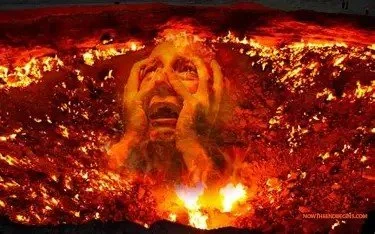
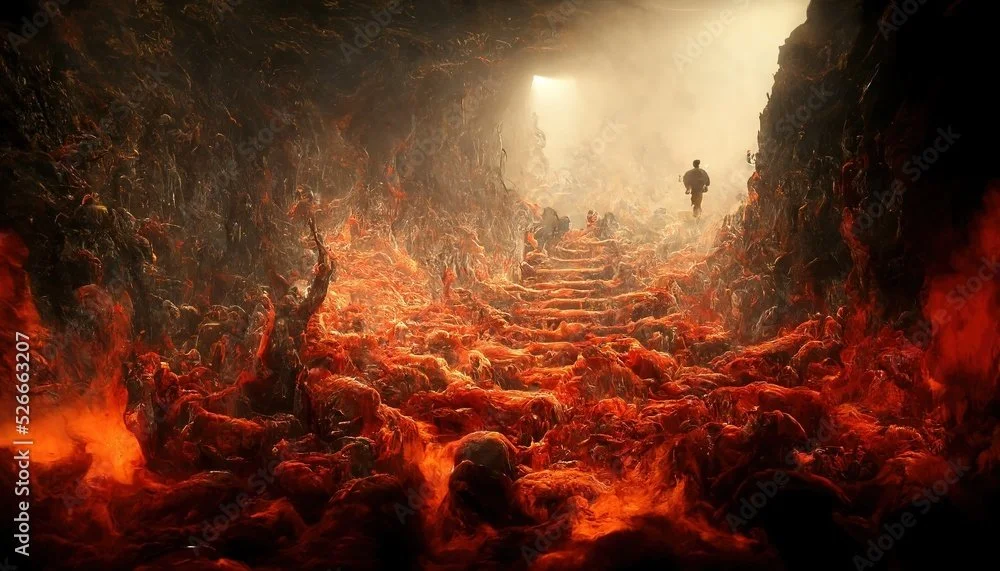

Scripture has a lot to say about Hell, its inhabitants, and its anguish…
“And will throw them into the furnace of fire; in that place there will be weeping and gnashing of teeth.”
Matthew 13:42
“And the beast was seized, and with him the false prophet who performed the signs in his presence, by which he deceived those who had received the mark of the beast and those who worshiped his image; these two were thrown alive into the lake of fire which burns with brimstone.”
Revelation 19:20
Let’s not also forget the disturbing element of when we sin, and how it’d be better if we RID ourselves of body parts that would cause us to sin…
“If your eye causes you to stumble, pluck it out and throw it from you. It is better for you to enter life with one eye, than to have two eyes and be cast into the fiery hell.”
Matthew 18:9
“If your right eye makes you stumble, tear it out and throw it from you; for it is better for you to lose one of the parts of your body, than for your whole body to be thrown into hell. If your right hand makes you stumble, cut it off and throw it from you; for it is better for you to lose one of the parts of your body, than for your whole body to go into hell.”
Matthew 5:29-30
"Woe to the world because of its stumbling blocks! For it is inevitable that stumbling blocks come; but woe to that man through whom the stumbling block comes! "If your hand or your foot causes you to stumble, cut it off and throw it from you; it is better for you to enter life crippled or lame, than to have two hands or two feet and be cast into the eternal fire. "If your eye causes you to stumble, pluck it out and throw it from you It is better for you to enter life with one eye, than to have two eyes and be cast into the fiery hell.”
Matthew 18:7-9
Yeah. Vivid. We get the picture.
But there is also a very human component to hell as well.
I believe it was the writer, John-Paul Sartre that famously declared…
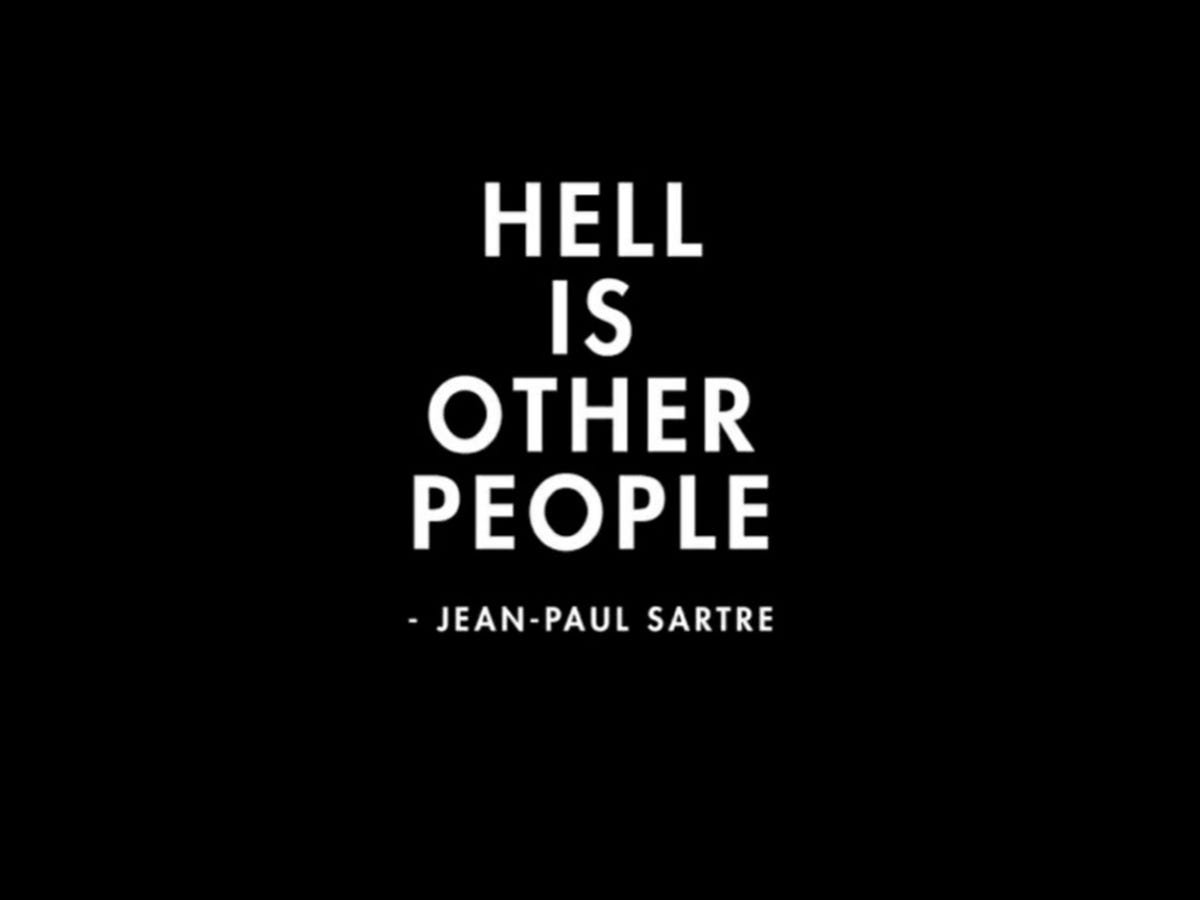
Endearing.
And sometimes, yes, honest?
How many of us have been hell on wheels for another person?
What’s the expression?
“If you cannot help, then, at least, don’t hinder.”
Yeah.
How many times have you and I been in the “hindering/hell” club, rather than the “help club?”
I’m thinking of a few instances, just this past weekend, that lump me in that hellish lot.
The Good Samaritan…
We know all about this parable (Luke 10:27-37).
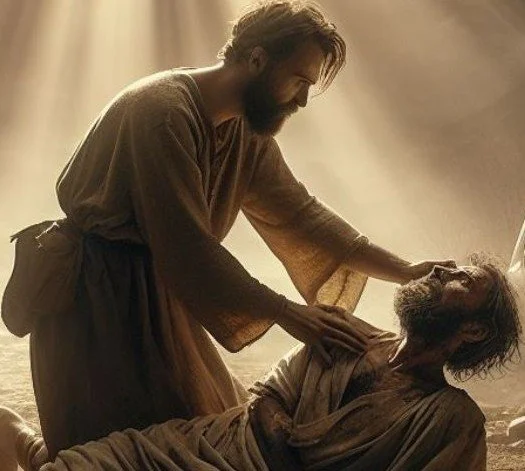
27 “And he answering said, ‘Thou shalt love(Elohim) the Lord thy (Most High) God with all thy heart, and with all thy soul, and with all thy strength, and with all thy mind; and thy neighbor as thyself.’
28 And he said unto him, ‘Thou hast answered right: this do, and thou shalt live.’
29 But he, willing to justify himself, said unto (Yashua) Jesus, ‘And who is my neighbor?’
30 And (Yahshua) Jesus answering said, ‘A certain man went down from Jerusalem to Jericho, and fell among thieves, which stripped him of his raiment, and wounded him, and departed, leaving him half dead.
31 And by chance there came down a certain priest that way: and when he saw him, he passed by on the other side.
32 And likewise a Levite, when he was at the place, came and looked on him, and passed by on the other side.
33 But a certain Samaritan, as he journeyed, came where he was: and when he saw him, he had compassion on him,
34 And went to him, and bound up his wounds, pouring in oil and wine, and set him on his own beast, and brought him to an inn, and took care of him.
35 And on the morrow when he departed, he took out two pence, and gave them to the host, and said unto him, ‘Take care of him; and whatsoever thou spendest more, when I come again, I will repay thee.’
36 Which now of these three, thinkest thou, was neighbor unto him that fell among the thieves?’
37 And he said, He that shewed mercy on him. Then said (Yahshua) Jesus unto him, ‘Go, and do thou likewise.’”
That is the definition of “Help,” the Help that we need to give. Instead of “giving ‘em hell.”
Breaking it down a bit?
First, awareness of our neighbor (Verses 27-29).
We are not the center of the universe (and I say that as an only child).
Awareness that someone needs our help, someone needs what only comes from us, leads our choices further from hell and closer to the help we were created to execute.
Awareness. See a need. Meet it.
A poor soul being robbed, beaten, “left for dead?”
Yeah, I’d call that a need, begging to be met.
Adding further harmful insult to the real injury need?
The Passersby.
The person who could have done something to really help… and chose not to.
Ands that’s you and me.
We have all “passed by.” Sometimes, it’s even a serious need, begging for attention.
Right now.
After all, Proverbs 3:28 is quite clear…
“Do not say to your neighbor, ‘Go, and come back, And tomorrow I will give it,’ When you have it with you.”
When You Have It In Your Power…
And we have more power than we realize.
Maybe sometimes, we even know that we can help. But we don’t.
Because?
We don’t want to…
It’s inconvenient…
It’s too expensive…
“Someone else” will do it…
All of these “reasons?” What are they, really?
“Therefore, to him who knows to do good and does not do it, to him it is sin.”
James 4:17
Sin? Yikes.
Back to the Good Samaritan.
An unlikely, even undesirable, candidate to help. People from “Samaria” had an unflattering reputation. Not the sort of people that should be interacting with the more “chosen.”
Not the sort of people that should “help.”
Scripture states how The Good Samaritan went above and beyond helping (Verses 33-35).
More than just the bare minimum.
And long story short, that is what Our Savior calls US to do (Verse 37).
“ …‘Go, and do thou likewise.’”
Hence… what you do to the least of these…
“And the King will answer and say to them, ‘Assuredly, I say to you, inasmuch as you did it to one of the least of these My brethren, you did it to Me.’”
Matthew 25:40
We can make a helpful choice, or a hellish one.
Let’s remember, again, hell…
“Woe to you, scribes and Pharisees, hypocrites! For you travel land and sea to win one proselyte, and when he is won, you make him twice as much a son of hell as yourselves.”
Matthew 23:15
Yay, more fun. Twice as much a son of hell, huh?
Pile On With the Pharisee?
“You serpents, you brood of vipers, how will you escape the sentence of hell?”
Matthew 23:33
We can achieve that ugly result, embodying more of the Pharisee spirit than is pleasing to look at.
It’s not just a case of looking and acting like a hypocrite. It is sobering caution to each one of us.
We choose not to love. We choose to reject… The Most High?
Fear of Man, Fear of Him, Fear of Hell?
“Do not fear those who kill the body but are unable to kill the soul; but rather fear Him who is able to destroy both soul and body in hell.”
Matthew 10:28
Yep. Hell, yet again.
Some Good News?
Before we feel like the most disgusting of worms, only hell bound, there is one powerful Truth we need to accept and cling to…
“And the living One; and I was dead, and behold, I am alive forevermore, and I have the keys of death and of Hades.”
Revelation 1:18
Our Savior: Yahshua. He is The Distress Call.
“…‘I called out of my distress to (Elohim) the Lord,
And He answered me.
I cried for help from the depth of Sheol;
You heard my voice.’”
Jonah 2:2
The distress call. How will we answer it?
He is calling to us right now. He’s heard our call to Him, through painful life experiences.
Help, Not Hell…
“Whatever your hand finds to do, do it with your might; for there is no work or device or knowledge or wisdom in the grave where you are going.”
Ecclesiastes 9:10
He is waiting for us right now.
Help is waiting. He will save and help us. We need to help others from there.
Let’s pray.
Yahshua-
I come to You.
You know I need help. Your Help.
You know I need You.
Not just to avoid hell and damnation, but to live the life You want me to live.
Thank You for dying for me, for paying the price of every sin I ever committed, including those that were more aligned with hell than with help.
Forgive me. I have been thoughtless, arrogant, unloving, and ungrateful.
That is why I am where I am now.
That is why I need help.
That is why I am not helpful to others, sinning against Your Will for my life.
Help me, from here on out. Help me to change Your Way.
Be my leading and guiding Savior and Shepherd.
Be merciful, close, and constant to me, as I relearn what Your Help looks like.
Thank You for going to hell for me, literally.
I accept You, Your Love, Your Help, and Your Direction in my life.
Thank You.
Amen.
Copyright © 2025 by Sheryle Cruse
Unrealistic Measurements (Thin Enough Book Excerpt)
“A sound heart is the life to the body: but envy is rottenness to the bones.”
Proverbs 14:30
…The table below compares average women in the U. S. with Barbie Doll and department store mannequins. It’s not encouraging. (Health magazine, September 1997; and NEDIC, a Canadian eating disorders advocacy group)
Average woman
Barbie
Store mannequin
Height
5’ 4”
6’ 0”
6’ 0”
Weight
145 lbs.
101 lbs.
N/A
Dress size
11 -14
4
6
Bust
36 - 37”
39”
34”
Waist
29 - 31”
19”
23”
Hips
40 - 42”
33”
34”
ANRED Statistics. “How Many People have Eating Disorders?” <http://www.anred.com/stats.html>. Used with permission.
After looking at the above chart, how do you feel about the statistics given compared with your information? What do you think of the chart?
List a time when someone made a comment about your appearance. What was it? How did it make you feel then? How does it make you feel now?
Have you ever made a comment about someone else’s appearance? What did you say? How did you feel after you said it?
Do you consider yourself to be fat right now? Why or why not?
Copyright © 2025 by Sheryle Cruse
This Time Of the Rolling Year
“Withhold not good from them to whom it is due, when it is in the power of thine hand to do it. Say not unto thy neighbor, Go, and come again, and tomorrow I will give; when thou hast it by thee.”
Proverbs 3:27-28
One of my favorite Christmas stories is, of course, “A Christmas Carol” by Charles Dickens. I think I’ve seen most film versions of the piece. This time of year, the cautionary tale is shown often on televisions, hopefully, giving us all a refresher course in decency and concern for our fellow man.
And it all gets started with Ebenezer Scrooge’s dead friend, Jacob Marley. He gets the reality check off to an unsettling start, when, as a ghost, he warns Scrooge of his own selfish mistakes which have cost him dearly for eternity…
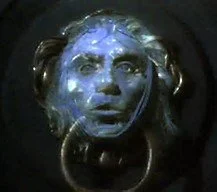
“‘At this time of the rolling year,' the spectre said ‘I suffer most. Why did I walk through crowds of fellow-beings with my eyes turned down, and never
raise them to that blessed Star which led the Wise
Men to a poor abode! Were there no poor homes to
which its light would have conducted me!'

Scrooge was very much dismayed to hear the
spectre going on at this rate, and began to quake
exceedingly.
`Hear me!' cried the Ghost. `My time is nearly
gone.’”
“‘At this time of the rolling year…'”
I love that phrase. It reminds us all about the certainty of time passing. Most of us need that reminder, as, so often, we get caught up in the busyness of our lives, neglecting to stop and take note of present opportunities to do good deeds.
We may have 1001 excuses for not getting/staying connected, helping others or working on our relationship with The Most High Himself. Nevertheless, each of us are equipped with the ability to do those things.
“Your ears shall hear a word behind you, saying, This is the way, walk in it, whenever you turn to the right hand, and whenever turn to the left.’”
Isaiah 30:21
“I will instruct you and teach you in the way you should go: I will guide you with My eye.”
Psalm 32:8
It’s not about trotting out or imperfection as an excuse; Our Father already knows that reality, anyway.
“For all have sinned and fall short of the glory of The Most High.”
Romans 3:23
It is, rather, about making the decision to love and commit to what we CAN do, not what we can’t do. And yes, we all can do something.
“Withhold not good from them to whom it is due, when it is in the power of thine hand to do it. Say not unto thy neighbor, Go, and come again, and tomorrow I will give; when thou hast it by thee.”
Proverbs 3:27-28
So, while we’re each doing our own individual self-reflection, let’s also examine what we can do for others, how we can connect and reflect Elohim’s loving inclusion, not exclusion.
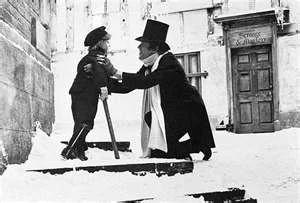
As this year now rolls by, what will we do to show all of humanity is, indeed, going from glory to glory?
“But we all, with unveiled face, beholding as in a mirror the glory of (Elohim) the Lord, are being transformed into the same image from glory to glory, just as by the Spirit of (Elohim) the Lord.”
2 Corinthians 3:18
Copyright © 2025 by Sheryle Cruse
“Name a Food and I Won’t Eat It.”
“There is a way that seems right to a man, But its end is the way of death.”
Proverbs 14:12
I once saw this statement making the rounds on social media:
“Name a Food and I Won’t Eat It.”
This sentiment disturbs me. Triggering? Pro-Ana? Pro-Mia? Anti-acceptance of self? Yes to all three.
Again, Orthorexia pops up.
Orthorexia Symptoms and Effects
What are the Signs and Symptoms of Orthorexia?
Orthorexia is the term for a condition that includes symptoms of obsessive behavior in pursuit of a healthy diet. Orthorexia sufferers often display signs and symptoms of anxiety disorders that frequently co-occur with anorexia nervosa or other eating disorders.
A person with orthorexia will be obsessed with defining and maintaining the perfect diet, rather than an ideal weight. She will fixate on eating foods that give her a feeling of being pure and healthy. An orthorexic may avoid numerous foods, including those made with:
· Artificial colors, flavors or preservatives
· Pesticides or genetic modification
· Fat, sugar or salt
· Animal or dairy products
· Other ingredients considered to be unhealthy
Common behavior changes that may be signs of orthorexia may include:
· Obsessive concern over the relationship between food choices and health concerns such as asthma, digestive problems, low mood, anxiety or allergies
· Increasing avoidance of foods because of food allergies, without medical advice
· Noticeable increase in consumption of supplements, herbal remedies or probiotics / macrobiotics
· Drastic reduction in opinions of acceptable food choices, such that the sufferer may eventually consume fewer than 10 foods
· Irrational concern over food preparation techniques, especially washing of food or sterilization of utensils
Similar to a woman suffering with bulimia or anorexia, a woman with orthorexia may find that her food obsessions begin to hinder everyday activities. Her strict rules and beliefs about food may lead her to become socially isolated, and result in anxiety or panic attacks in extreme cases. Worsening emotional symptoms can indicate the disease may be progressing into a serious eating disorder:
· Feelings of guilt when deviating from strict diet guidelines
· Increase in amount of time spent thinking about food
· Regular advance planning of meals for the next day
· Feelings of satisfaction, esteem, or spiritual fulfillment from eating "healthy"
· Thinking critical thoughts about others who do not adhere to rigorous diets
· Fear that eating away from home will make it impossible to comply with diet
· Distancing from friends or family members who do not share similar views about food
· Avoiding eating food bought or prepared by others
· Worsening depression, mood swings or anxiety
What are the Effects of Orthorexia?
Orthorexia symptoms are serious, chronic, and go beyond a lifestyle choice. Obsession with healthy food can progress to the point where it crowds out other activities and interests, impairs relationships, and even becomes physically dangerous. When this happens, orthorexia takes on the dimensions of a true eating disorder such as anorexia or bulimia. One effect of this drive to eat only the right foods (and perhaps only in the right ways) is that it can give a person with orthorexia a sense of superiority to others. This can put a strain on relationships with family and friends, as relationships become less important than holding to dietary patterns.
Maintaining an obsession with health food may cause a restriction of calories merely because available food isn't considered to be good enough. The person with orthorexia may lose enough weight to give her a body mass index consistent with someone with anorexia (i.e., less than 18.5). If the dietary restrictions are too severe, malnutrition can result. In rare cases, particularly in the case of women with unaddressed co-occurring disorders or another addiction, orthorexia may result in severe malnutrition and weight loss, which can cause cardiac complications or even death.
How are Anorexia Nervosa and Orthorexia Similar?
Orthorexia is a term with varying levels of acceptance in the eating disorder treatment community. Some eating disorder specialists regard orthorexia as a discrete diagnosis like anorexia nervosa or bulimia nervosa. Others, however, believe that patients with orthorexia symptoms are actually suffering from anorexia. Sufferers of orthorexia and anorexia may show similarities such as:
· Desire to achieve control over their lives through control of food intake
· Seeking self-esteem and spiritual fulfillment through controlling food intake
· Citing undiagnosed food allergies as rationale for avoiding food
· Co-occurring disorders such as OCD or obsessive compulsive personality disorder
· Elaborate rituals about food that may result in social isolation
How are Orthorexia and Anorexia Nervosa Different?
Obsession with weight is one of the primary signs of anorexia, bulimia, and other eating disorders, but is not a symptom of orthorexia. Instead, the object of the orthorexic's obsession is with the health implications of their dietary choices. While a person with anorexia restricts food intake in order to lose weight, a person with orthorexia wants to feel pure, healthy and natural. The focus is on quality of foods consumed rather than quantity.
Signs and symptoms of eating disorders must be evaluated in the context of a person's feelings, emotions, and self- esteem. It's crucial to seek appropriate clinical advice from a professional with experience treating orthorexia, anorexia and other psychiatric conditions. The obsessive tendencies associated with orthorexia can indicate a co-occurring disorder that should be diagnosed and treated by a psychiatrist.
What Should Parents or Friends Say If They Are Concerned?
learn morListen to advice from Timberline Knolls' Medical Director.close this section
Orthorexia is a very serious eating disorder, particularly if it is accompanied by co-occurring psychiatric or addictive disorders, and significant weight loss or dietary imbalance. Like anorexia nervosa, bulimia nervosa, and other eating disorders, orthorexia is a medical disease that can result in irreversible health complications, including death.”
(http://www.timberlineknolls.com/eating-disorder/orthorexia/signs-effects)
Hindsight has shown me I’ve also been touched by this eating disorder. Concerning recovery, it’s about process. And just as my eating disorders have morphed, one into another, so has my recovery from them.
There was a time, with bulimia, I ate everything “unhealthy” in large amounts. It was about feeling deprived, hopeless and in desperate need for comfort. So, foods rich in fat, fat and sugar were my answer. However, I learned they weren’t, as, no matter how much I ate of them, my life was still painful. I was looking in the wrong direction.
And I believe orthorexia started for me in the early stages of my recovery process. As I got into therapy and dealt with painful issues, my buzzword was “healthy.” I was obsessed with it. Now, I wanted to eat completely healthy all the time. There’s nothing wrong with healthy eating, in and of itself. We need to eat nutritious things which encourage, not destroy health.
However, with my perspective on healthy eating, I regarded it as an oppressive rule rather than a guideline. The rule demanded perfection. However, the guideline encouraged the power of choice. And, whether I knew it or not, felt it or not, I could make another choice.
And so, the evolution of my recovery continues to focus more on that principle. It’s not perfect. But it’s about not attaching such extreme “worst case scenario” results to the food, be it healthy or not as healthy. I can always make another choice about what I’m doing. It’s freeing instead of stifling.
And what’s the most freeing in that perspective is the relaxed approach toward perfection.
“All things are lawful for me, but all things are not expedient: all things are lawful for me, but all things edify not.”
1 Corinthians 10:23
“All things are lawful unto me, but all things are not expedient: all things are lawful for me, but I will not be brought under the power of any.”
1 Corinthians 6:12
Life is not perfect; I am not perfect. It’s not an attainable standard. “Healthier,” however, can be. “Kind to oneself” can be. “Human,” like it or not, is.
“For all have sinned, and come short of the glory of The Most High.”
Romans 3:23
“For He knoweth our frame; He remembereth that we are dust.”
Psalms 103:14
And, when we come up short (and we will), Our Loving Father is there with His perspective and help, even dealing with these food and “trigger” situations.
“I will instruct you and teach you in the way you should go: I will guide you with My eye.”
Psalm 32:8
It’s acceptance, not rejection. We need to remember that. So, let’s eat THAT on a daily basis!
Copyright © 2025 by Sheryle Cruse
Norah Jones (“IF You Know?” Book Excerpt)