Hoarding Amongst the Elderly
(As appearing in “Christian Living in the Mature Years Magazine,” Fall 2019…).
Hoarding Amongst the Elderly: An Underdiagnosed Reality

Our aging adult population is inundated with issues: health, interpersonal, familial, financial and legal.
However, perhaps one of the least-discussed is hoarding.
This condition often reveals itself once an elderly loved one struggles to function in his/her daily life. Keeping a house in order becomes impossible.
This is my mother’s situation. But it also confronts how hoarding doesn’t just pop up out of nowhere. Instead, it has existed the entire time; it just went undiagnosed.
The “Messy” House:
My mother was challenged by housekeeping; our home was always unkempt. Arts and crafts projects, boxes, piles of newspapers and magazines filled its rooms. The home was disorganized; and it also was often dirty. Layers of dust and grime covered the furniture.
And, not surprisingly, this was an issue with my dad. Already an abusive personality, this cluttered house was his frequent rage flashpoint. He often complained and, in an effort to make his point, threw away stuff himself. Mom pleaded for him not to do so.
It was to no avail. Mom’s original birth certificate and numerous personal mementos were among those discarded casualties. The more he tried to throw away something, the more tightly she clung to keeping it. Mom hoarded.
And, it has only been years later where I learned clutter didn’t just start with my mother.
Rather, her maternal grandmother also had similar co-existing compulsions affecting her life. Food and weight struggles led to her morbid obesity. And she also had a “messy house.” But my great grandmother took things one step further; she was an animal hoarder. She “collected” Blue Persian cats. Therefore, the ammonia stench was overwhelming in her residence.
I bring up this family history to illustrate how hoarding can often be an intergenerational problem.
“The thing that hath been, it is that which shall be; and that which is done is that which shall be done: and there is no new thing under the sun.”
Ecclesiastes 1:9
It can exist by itself or be accompanied by such conditions as depression, addiction and obsessive-compulsive disorders. Certain members of my family battle with food, drug and alcohol addictions, while compulsively doing laundry and filling their front yards with broken vehicles and appliances. My mother’s mother had severe obsessive- compulsive disorder. She rearranged the furniture at all hours of the day and night.
The “Diagnostic and Statistical Manual of Mental Disorders, 5th edition” classifies hoarding disorder as a mental illness. Often, it is underdiagnosed.
And Mom’s condition and lack of diagnosis further exacerbated other painful situations.
The Explosion:
One of the most devastating was my dad’s death. The hoarding bomb exploded during my mother’s grief.
“My days are past, my purposes are broken off, even the thoughts of my heart.”
Job 17:11
After surviving an abusive 30 year marriage to my dad, Mom underestimated these issues and that of her own grief. She frequently shared with me her happy fantasy about that day when he finally died, freeing us. However, she was completely unprepared for the actual event itself.
And, of course, she did not deal with her churning emotions. The constant verbal and emotional abuse imprisoned her. Not surprisingly, his abuse also spread to the financial realm as well. She did not- and could not- do anything without my dad’s controlling permission.
Therefore, this heavily motivated Mom’s grief response: obsessive shopping sprees and increased hoarding from those sprees.
Her psyche screamed, “Now I’m free; no one will ever tell me what to do again!” The attitude showed in how she lived, what she bought and what she did with the house and any “outsider’s” access to it.
But, the problem was she viewed my husband and me amongst those threatening outsiders. When we came back for my dad’s funeral, she did not let us get past the kitchen. She was embarrassed. That embarrassment was familiar territory. But what was unfamiliar was the isolating spirit with which she demanded her independence. She tried to convince everyone she had things under control. She was doing that with us in the kitchen.
“A man who isolates himself seeks his own desire;
He rages against all wise judgment.”
Proverbs 18:1
So, we reluctantly decided not to press the issue. We hoped Mom’s grief would go thorough its stages and eventually lessen.
But, it didn’t.
Instead, the grief roared with spending binges in the nearby town, multiple catalog orders and accumulating everything she felt she had been deprived of while my dad was alive. Clothes, shoes, bedding, household items and art supplies were just a few of the purchases she made. She was stockpiling. And no one could tell her to stop.
But it was more than stuff for stuff’s sake. It was her vague definition of “freedom.”
She didn’t have to answer to anyone- and she liked it that way.
Still, despite her determined efforts, she could not continue to have it STAY that way...
The Discovery:
“Hope deferred makes the heart sick...”
Proverbs 13:12
Just six years later, Mom had a health crisis which brought her desperation into full view.
In the summer of 2009, Mom had a stroke which left her unable to walk. Forget about caring for herself; forget about being independent. Life changed, forcing her to reside in a care facility.
And, for the first time, we were able to enter the house, with no restrictions on its access. It was devastating.
Every room was packed with boxes, bags, newspapers and garbage. We couldn’t see or walk on the floor. We had to step on or climb over piles of garbage, paintings and newspapers.
I also saw proof of my mother’s unrealized dreams. Boxes and bags were filled with paint brushes, blank canvases and art books, for the paintings she was going to paint “someday.”
Proverbs 13:12, therefore, is a fitting description of what was going on. The hoarded house was just symptom; Mom was struggling for hope, struggling to realize her unfulfilled dreams:
“Hope deferred maketh the heart sick: but when the desire cometh, it is a tree of life.”
This challenging wish fulfillment is now what I have to deal with concerning my mother. I have had many delicate conversations with her about her inability to remain in that house.
I have also gone several rounds with her about the necessary cleanup required of it, without her presence determining what is done. Yes, Mom initially fought me on discarding anything. She has tried to insist on things not changing; but life has not cooperated. Repeatedly, as respectfully as I can muster, I have told her everything cannot be kept. Things come and things go. She doesn’t like that and tries, all the more, to cling to whatever she can.
And so, even though now, she resides within the limited space of her room and its attached bathroom, she squirrels away assorted papers, junk mail and wadded Kleenex. She insists she will need/use them “someday.”
However, she doesn’t. Stuff, instead, just accumulates.
And, as if cleaning the house was not enough of a project, other life changes have, again, spotlighted Mom’s compulsion.
The Move and Something Found:
In the summer of 2016, Mom’s care facility relocated to another building.
So, that meant my husband and I were responsible for packing and storing her stuff, as well as setting up her new room. This was the perfect time to edit what had been collected for the past seven years.
Within her dresser drawers, we found a lot of crumbled paper, outdated catalogs, birthday and Christmas cards. That was not surprising. Mom being the “packrat” she was, never threw anything away. At first, we thought combing through her possessions, especially if most of them were paper, was a bit obsessive. That was, however, until we discovered a different kind of paper... money!
That’s right, we found $326 of it.
Now, to fully appreciate this find, you also have to be clued in on this money’s backstory. During her seven year stay at the care facility, Mom often insisted her money (and assorted items like hair rollers and fingernail clippers) were stolen. Several times, she stated, in a low sinister voice, “there’s thie-e-e-e-ves here.” And we’d bring this matter up at care conferences, asking for help from social services. The nursing staff would go on hunting expeditions which easily turned up the rollers and clippers.
But, because it was against policy for staff to rummage through a resident’s drawers, the money went undiscovered. That is, until her move.
As we were packing her possessions, amongst various papers and cards, a little white envelope fell. In it were two crisp one hundred dollar bills. Okay. We’re alert now. Maybe there is more moolah to be found.
If you’re good at math, you know the answer to that question. On a separate packing occasion, in yet another white envelope, stuffed in a drawer, there was the remaining $126.
“Either what woman having ten pieces of silver, if she lose one piece, doth not light a candle, and sweep the house, and seek diligently till she find it?
And when she hath found it, she calleth her friends and her neighbors together, saying, ‘Rejoice with me; for I have found the piece which I had lost.’”
Luke 15:8-9
While Mom was thrilled to rediscover this missing money, there was still no connection of how her hoarding behavior led to this situation. Instead, she insisted she didn’t have any issue with clutter, while maintaining her argument to hold onto everything. She’s convinced she’ll need these items “someday.”
Independence: The Struggle for Control:
I attempt to understand and deal with her in hoarding’s reality. I can tick off Mom in the check list. Perhaps, you can do the same with your loved one.
Do you see your situation here?
Inability to throw away possessions
Severe anxiety when attempting to discard items
Great difficulty categorizing or organizing possessions
Indecision about what to keep or where to put things
Distress, such as feeling overwhelmed or embarrassed by possessions
Suspicion of other people touching items
Obsessive thoughts and actions: fear of running out of an item or of needing it in the future; checking the trash for accidentally discarded objects
Functional impairments, including loss of living space, social isolation, family or marital discord, financial difficulties, health hazards
“Hoarding: The Basics, Understanding Hoarding,” Anxiety and Depression Association of America; www.adaa.org
Used with permission.
Mom is unlikely to change. Her desire for autonomy is reflected in her attempts at control. She no longer calls the shots concerning her ability to walk, her diet or her living accommodations. So, the hoarding takes on an importance of that much-coveted independence.
Our strategy, therefore, is to limit its negative consequences.
Her care facility and its limited space, makes this more doable than when she had an eleven room house at her disposal.
She still has clutter in her room. But here’s a major difference.
Now, the facility’s staff knows about her tendencies; they monitor what’s accumulating. They have Mom’s reluctant permission to help her tidy things up when it becomes unruly. She cannot deny the facility’s stringent policies concerning fire hazards, health and safety risks which no longer only affect her. She cannot hoard like she used to. She cannot isolate either.
Where once, she could hole herself up in the house, having no interaction with people for days, now, her daily care ensures she is not practicing unsafe habits like she once did. But that doesn’t stop her from trying.
There is an ongoing conversation and negotiation with her. We allow certain things to acquire space in her room. But if they aren’t used, their necessity is discussed and modified. Her living situation is healthier and safer.
Hoarding awareness concerning an elderly loved one is half the battle. You are not alone in your caregiving situation.
“...there is no new thing under the sun.”
Ecclesiastes 1:9
This knowledge is power.
Be empowered!
Copyright © 2025 by Sheryle Cruse
Confessions of an Anorexic/Bulimic Theatre Student
(As featured in “In Recovery Magazine”)…

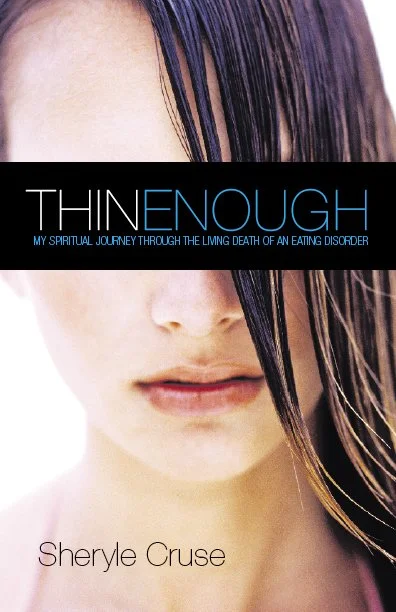
I am a recovering actor. I’m not talking about healing from auditions here. No, my recovery is from eating disorders and the oft emphasized importance to actors of their physical appearance and discipline.
I’m not saying theater ruined my life. In many ways, it was quite the opposite. It provided me with a release valve of emotional expression. It was also where I met my wonderful husband, Russell.
As I have worked on my recovery throughout the years, I’ve realized how the emphasis on outward appearance and discipline unfortunately played a confusing role in my burgeoning eating disorder.
At age nine I made my acting debut. I played a baby doll in a Christmas play. As the play was presented to my third grade class, I became obsessed with the role. More than anything else, I wanted to be that character. It occurred to me I needed to audition in a baby doll voice. When the teacher who was casting the play howled with laughter at my reading, I knew I had it locked. That was intoxicating! I was bitten by “the acting bug”.
For that debut there was no pressure to have a thin physique. It was, however, the last time I would experience that freedom in any role I played.
Throughout my elementary, junior high and high school years, I was in numerous school plays. As adolescence unfolded, my body image issues continued to worsen. I was often cast as the dumpy friend or the humorous comic relief character, never the beauty. I was, in short, “the fat girl”.
My self-consciousness followed me into my senior year of high school. During a production of the musical South Pacific, I was doing double duty. I was cast as the French maid and an island native, because I had brown eyes and brown hair. My coloring worked in my favor since many of my peers were blue-eyed and blond-haired. My drama teacher joked about the Scandinavian presence in our school by saying, “The Sons of Norway portray the Pacific Islands.”
My native girl costume consisted of a strapless top and a grass skirt. As I sang and danced to the Bali Ha'i number, I obsessed about whether my arms and shoulders were too big to effectively convince the audience I was a beautiful South Pacific ingénue. Was I too fat?
As a speech and theater major in college, I still wrestled with that question. Anorexia kicked in. College was all about reinventing myself. I needed to be someone else, someone thin. That became my main focus. Because I was only a production assistant or assistant director in my first two years, and not cast in plays, the “fat and ugly” arguments in my head solidified. I wasn’t thin enough or pretty enough to be a leading lady. Instead I was the grotesque gorilla who worked behind the scenes.
So, with my anorexic mindset, I starved and exercised compulsively for hours at a time, gradually weighing less and less, until finally reaching a two-digit weight. This stage in my eating disorder was short-lived. My bulimic behavior took over during my sophomore year. Because of my misery and physiologically ravenous state, I became an eating machine and put on over one hundred pounds in less than nine months. My attempts at damage control – obsessive exercise, diuretics and laxatives – failed me. I was devastated. My predominant thought was that I wasn’t dedicated, disciplined or deserving enough as a theater student and as a human being. I certainly didn’t deserve any ingénue roles, but that didn’t keep me from wanting those parts.
I again became a stage actress when I transferred to a new school in my junior year of college. After a fear-driven starvation and exercise-obsessed summer, I won a few lead roles in auditions. I was cast mostly in character actor roles, playing crazy women. Nope, no ingénue, pretty leading lady roles for me; but hey, at least I was onstage. That was progress, right?
But this behavior was not without complications. During costume fittings, I again ran smack dab into my insecurities. One had to dress the part, and that was about measurements and fitting into clothes. Oh, the fun of shouting down all the weight and body image voices in my head!
When I was cast as Claire in Neil Simon’s play, Rumors, I was asked what size dress I wore. According to my perfectionistic fears, I wasn’t good enough or thin enough, so I wrote a large dress size. The costume department immediately argued with my assessment and instead gave me a smaller-sized dress. It actually fit! You would think that would have set me at ease and given me some reassurance, but it didn’t.
I was studying the importance of discipline, fitness and adaptation in acting classes, and the importance of the body as an instrument. This emphasized training one’s physical body as part of artistic preparation. A minimum of two hours of exercise a day was recommended. I dutifully obeyed the rule.
Years later, I squirm about this. From a recovery perspective, I realized this two-hour-a-day exercise mandate triggered my eating disorder yet again. Yes, I believe physical exercise is a necessary part of life and health. However, exercise in an eating-disordered mind is often coupled with a set of ritualistic rules or is used as punishment. At the time, I didn’t see exercise as taking healthy care of my instrument (body). I only saw it as a way to punish myself for being a horrible failure of a human being or to compete with other females to win the elusive title of “The Thinnest Actress of Them All”.
Having the body portrayed as an unruly thing that must be subdued by a dedicated, worthy theater student prompted guilt, fear and, yet again, the predominant thought that I was “not good enough”, not now, not here, not ever.
If that was not difficult enough, I also had an incident with a fellow student which further emphasized the “instrument” theory in my head. To be fair, I believe he did not intentionally want to hurt me. He probably saw himself as being helpful.
Oh good, more help.
During a rehearsal for Rumors, this fellow actor pulled me aside backstage. I immediately knew what the topic of our conversation would be. I had put on some weight, and it was visible. He told me he had noticed. He went on to tell me how our bodies are our instruments (there’s that word again), how we need to exercise and take diligent care of them. We couldn’t let ourselves get out of control.
I felt exposed.
I had not revealed to anyone, much less my theater comrades, that I’d ever been anorexic and bulimic or that I was struggling with the entire issue. I did everything I could to hide, lie and deny this ugly and shameful reality.
So, in this cornered moment, I did my best to laugh it off. But it stung. I felt I was a worthless failure.
From that point on, my self-consciousness escalated. Now I not only deeply feared gaining weight, but I also feared being taken to task for it in the name of theater. I feared being labeled, not only as fat, but also as uncooperative, lazy, ugly and untalented. I feared losing roles if I wasn’t aesthetically pleasing (thin) enough for them. I feared any weight changes would be revealed in costume fittings. I feared life would only continue to show me I was a worthless human being, and there was nothing I could do to change that.
My eating-disordered mind was in high gear. I constantly thought, “I’m fat and ugly. I’m unacceptable. I’m a failure.” Mercifully, I somehow managed to complete my college degree, but I was riddled with anxieties, perfectionistic standards and self-rejection.
Since those theater days, my life has taken a different direction, one that involves recovery from my eating disorders and their underlying issues. I am blessed to have written a book and to have numerous articles published on this subject. My faith, hindsight and therapy have helped me come to terms with many memories and erroneous beliefs, including those revolving around my acting experiences.
Theater is an environment for rejection. Anyone who has been told “no” at an audition knows that reality. Critical standards are attached to anything emphasizing art, dance, theater and beauty. I get that. I understand that dedication, hard work, talent, appearance, costumes design, set design and the actors themselves all must factor into the final product. My observations are not about demonizing the study, pursuit or performance of theater.
They are, however, about raising awareness and sensitivity when teaching theater principles. Unfortunately, there are individuals who may be triggered by these regimented disciplines. If there’s going to be so much emphasis on exercise and training, then I believe there should be equally as much education on the potential pitfalls, including eating disorder behavior. Safe havens of support should be in place for those who are struggling with these issues. Indeed, there are acting students who are struggling.
I love the theater. I love seeing an opera, a play or a riveting piece of performance art. I don’t think that will ever change.
I also love acting. Only time will tell if I participate in any more productions.
I now know myself and the triggers which still lurk in unexpected places. Situations with an emphasis on appearance and image are probably not the best for my continuing recovery.
This exploration of my experiences is not about bashing the theater world; it is a love letter to it. I searched for information and statistics on eating disorders in the theater setting and found nothing. I contacted major American drama schools to ask for their help on this subject and was informed they could not help me.
I did discover considerable information about eating disorders relating to dancers, models and celebrities. I know it is an issue in the theater world, perhaps even a dirty little secret no one wants to discuss. How many people fear losing a role or being labeled and stigmatized if they reveal their struggles?
Not everyone who pursues acting has an eating disorder. But for those of us who do, words like discipline, training, instrument and dedication may be interpreted in a radically different way. Unfortunately for someone struggling with an eating disorder, these words can have a literal “do or die” meaning.
That kind of death does not belong in the theater.

Copyright © 2025 by Sheryle Cruse
JADE
“Simply let your 'Yes' be 'Yes,' and your 'No,' 'No'...”
Matthew 5:37
“No is a complete sentence.”
I have come across people who cannot accept my no, on various issues, including, but not limited to, being accommodating about doing what they wish instead of doing what’s best for me. Cancer has changed that because it had to change the acquiescence that I once gave others.
Twelve Step Recovery Programs often include the acronym, “J.A.D.E.”
And, since my diagnosis, I’ve discovered JADE has covered the bases, falling under the statement, “No is a complete sentence.”
I may be taken behind the woodshed and shot for that perspective.
How dare I?
How dare I be displeasing?
Yet, here I am, Ladies and Gentlemen, often placed on trial, asked to prove my case.
Therefore, JADE…
Justify:
Right after I was diagnosed, medical opinion asserted that a simple (hah, simple) Lumpectomy would be all that was necessary. Let’s schedule me, then, for that procedure.
So, when I informed my surgeon I decided differently, I was met with surprise. I decided to have the more radical, in some peoples’ minds, choice of a bilateral mastectomy.
Taken aback when I voiced my decision, my surgeon immediately asked me about my choice.
I gave my reasons which were personal, as this whole breast cancer context is, indeed, personal. But, looking back on it now, I see it more as “I don’t need to justify myself to you; it’s my body.” My surgeon didn’t ask me about my decision for “health reasons.” After all, no matter what surgical procedure was performed, both would accomplish the same goal: to remove the cancerous tumor.
No, my surgeon wanted to know because it didn’t align itself with medical expectation, meaning, the surgeon would tell me the medical opinion of what was best… and I’d follow that decision, without question.
And no, that didn’t happen.
“No” was a complete sentence to a Lumpectomy; “Yes,” however, was my complete sentence to removing my breasts.
Done. I decided. And I would not change my mind.
What do you feel you need to justify to others? What you choose as a profession? Who you love? Being a non-conformist, in any way? Do you feel you need to justify your entire existence?
Be on the lookout for interactions which want to shove you into a “not good enough” corner. Pay attention to the “J” of JADE.
Argue:
This word is another connected element to the J.A.D.E. principle. It can function as a synonym to the previously discussed, “Justify.” I say that because, like “Justify,” the word “Argue” seems to come to the forefront in some interactions which can involve another person’s inability or willingness to deal with our “no” response.
Once I made my decision about my bilateral mastectomy, my surgeon next assumed I would jump on the reconstruction bandwagon. I would get new breasts now. After all, leaving my deformed chest like that simply was unheard of.
That is, it was unheard of until my surgeon heard of my answer.
I was adamant about not undergoing further surgeries. No reconstruction for me, thank you. I was at peace with being breast-less, which appeared to mortify my surgeon.
There was a bit of argument over my decisions; reconstruction was just the tip of the iceberg.
And I say that as a caution concerning other peoples’ agendas. I cannot say for certain, what were my surgeon’s motivations. But I did have my gut reaction and my conversations with other women about their experiences to go on.
And I got an abundance of intel, in my research and conversations with other women. Through both, I discovered some surgeons tried to pressure their patients to get reconstructive breast surgery because they make more money that way. I heard experiences of some women who were coerced into not only getting reconstruction, but also getting a breast size they didn’t want, all because the surgeon wanted that size for them.
As I held my ground and “argued” my choices with my surgeon, I still wasn’t heard.
Okay, then. Let’s try something else.
How about involving the hospital charge nurse and patient advocate about my frustrations? Yep, that did the trick.
I no longer wanted to engage in the back and forth with my surgeon. I was an informed woman; I made thoughtful choices that were best for me. I would no longer argue about that.
Arguing can be quite pointless, especially if the other party is neither willing, nor able, to hear you and I out. Pressure, coercion, name calling, insults, and dismissive attitudes can all surface. These mechanisms exist because it is about agenda from the other party. Whatever he/she wants, perhaps, in their minds, is more important than what you and I want.
Pay attention if your gut check is screaming that to you. Major breast surgery and arguing with my surgeon may appear to be an extreme example, but, in your own circumstances, do you see any similarities?
Are you feeling pressured? Coerced? Dismissed?
Is someone telling you that what they want for you is more important than what you want?
How much arguing are you having to do right now about a certain issue?
Do you feel the force of someone else’s agenda?
Defend:
“Defend” can quickly surface with “Justify” and “Argue.”
How many of us are put on the defense, simply for asserting our position or rights?
Again, check for agenda and coercion. See any?
How does someone react when you disagree with them?
Do you desire to go in another direction? Do you get pushback? Are you on the defense?
Concerning my surgeon, “Defend” often popped up in my interactions with this person. There was a constant battle of wills, even though it was my body and life that were directly affected. So, naturally, one would think, it would be me then, to decide, what choices I made concerning my body and life.
But it, of course, wasn’t that simple.
Upon recovering from my surgery, I was on the defense, again. I quickly encountered the “God complex” from my surgeon, feeling like I was little more than Dr. Frankenstein’s creature to be molded according to the great doctor’s vision.
Not helpful.
Again, it calls into question the matter of agenda. What was my surgeon’s? To get me on the expensive cancer conveyor belt of procedures, treatments, and tests? There certainly wasn’t any “bedside manner” or interest in me as a human being.
At my most vulnerable, perhaps, I was still having to fight, not even the cancer, but the people who claimed to treat the cancer.
Actions speak louder than words.
So, again, check the action. Are you having to take action to defend yourself?
Simple question: yes or no.
Answer it and act accordingly.
Explain:
And lastly, there is this word in the acronym.
This is, perhaps, the final complexity we bump against when you and I find ourselves “stuck in a moment.”
This might be the final attempt to pressure us when we say “no” to an otherwise, wanted “yes.”
Long after my surgery, I encountered more people, who, upon finding out about my diagnosis and choices since, asked me if I underwent reconstruction and when, exactly, I would get breasts, already.
Cue the temptation to explain my decision. Just add it to Justify. Argue. Defend.
However, “explain” is a bit more involved. It requires a detailed accounting of our actions…to people for whom it was none of their business.
I still remember the awkward silences, wide eyes and the restless fidgeting as people awaited my explanation as to why I didn’t get breasts. I’m getting better at just quietly staring away these incidents. I don’t need to explain myself, especially about something so personal.
But some people still, somehow, believe they are owed an explanation.
How about you?
How many times have you felt the need to explain your right to be yourself and make your choices? How many times have you been punished for doing otherwise?
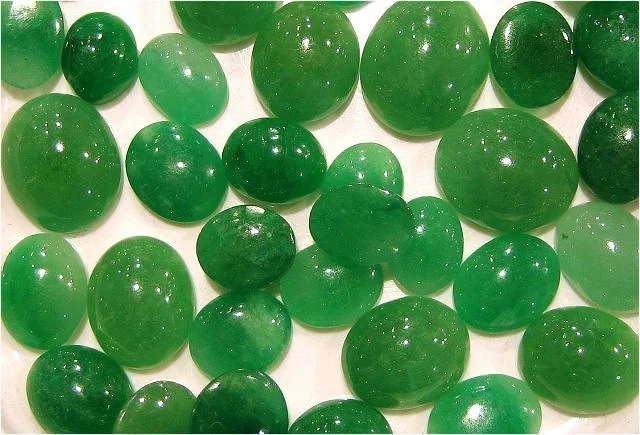
JADE. A tidy little acronym, with so much hidden power held within it. When we think of Jade, typically, we often envision the gorgeous green gemstone.


Copyright © 2025 by Sheryle Cruse
Don’t Be a Begging Dog
Back in college, as I theatre major, I was cast in John Guare’s “The House of Blue Leaves.” I played the role of Bananas, a mentally ill housewife.
Part of her behavior included begging like a dog.

And, while it was, indeed, fun to play that role, years later, I’m struck by the significance of begging.
Begging for attention…begging for approval…begging for love…
It’s that last one which seems to be the most widespread and powerful. I have seen how much it drove me to desperate self-loathing and eating disorder behaviors. I wanted to be pleasing, lovable, pretty, and valuable.
But, through my abusive family dynamic, experiences with high school cruelty, and the self-hatred of my weight struggles, I felt I was none of those things.
And so, I HAD to beg for any attention, love, approval, and self-worth. It was contingent on what others would give me.
Most of the time, unfortunately, I only got scraps.
And that felt worse than getting nothing at all. It’s one thing to have nothing; it’s quite another to have the subpar discards and to be told to be content with those discards.
Recovery from eating disorders and negative image issues requires major work on the “worth” issue. There are too many young people who do not know their value.
We all struggle with this area. Our cultural climate does not help matters any either. Image, power, money and fame are large determinations of what a human being’s value is worth.
And that harsh reality can lead us to become a begging dog, while never seeing, accepting, and applying our inherent worth.
Scripture speaks about our true estimation.
“Since you were precious in my sight… I have loved you…”
Isaiah 43:4
“…I am fearfully and wonderfully made…”
Psalm 139:14
“I have chosen you and have not cast you away.”
Isaiah 41:9
“But even the very hairs of your head are all numbered. Fear not therefore: ye are of more value than many sparrows.”
Luke 12:7
Discovering these verses for myself has had a tremendous part in my recovery, in recognizing how I do not need anyone else’s permission to be valuable. I am that, as is, already. The Most High states it as Truth.
It is the most personal, intense, and deep homework we can do.
Each of us needs to explore and claim our value and the lengths to which we will go to be loved. The experience of being loved and lovable drives how we live our lives.
We have unique, individual circumstances we need to face. But there are some common denominator questions covering the love and worth issues.
It is, by no means, simple, or painless.
Nevertheless, these questions need to be addressed, questions like…
Do you engage in self-destructive behaviors?
Do you believe you deserve to be abused and mistreated?
Do you feel love and acceptance are conditional?
What reasons do you give yourself for “not being worth it?”
Do you beg like a dog in your life? This is not Elohim’s design for you.
This, instead, is more like it:
“I have been young, and now am old; yet have I not seen the righteous forsaken, nor his seed begging bread.”
Psalm 37:25
“…‘Never will I leave you; never will I forsake you.’"
Hebrews 13:5
“But the very hairs of your head are all numbered. Fear ye not therefore, ye are of more value than many sparrows.
Matthew 10:30-31
“‘For I know the thoughts that I think toward you,’ says the Lord(Elohim), ‘thoughts of peace and not of evil, to give you a future and a hope.’”
Jeremiah 29:11
Part of the recovery and life work each us needs to do is to accept ourselves as we are, flaws and all. No one is so valueless they are required to beg for what is inherently true. John 8:32, therefore, carries freedom and health.
“The truth shall set you free.”
Let’s stop begging for that freedom and health and simply, spiritually, emotionally, physically and practically accept and embrace it!
Copyright © 2025 by Sheryle Cruse
(The Distraction Dragon) Confronting Your Log Ride
As a kid, like a lot of us, I rode an amusement park log ride. I remember gently rocking past scenic waterfall and stone displays during its route. I was lulled into a sense of uneventful security.
Merrily, merrily, this ride seemed to be a dream.
But, as the serene ride continued, it became a bit more bizarre.
To this day, I’m still not sure about what I saw in one of the caves. As I was taking everything in, there was an unusual placement of a small stuffed dragon, with spring loaded eyes, googly greeting us log riders.

To my knowledge, it was not a science fiction or fairytale theme kind of ride. I don’t know if it was an inside joke, a bored amusement park employee’s prank, or if there was a deeper meaning to its presence.
But, rest assured, as only my little over-analytical mind could do, I obsessed. The why question wanted to know. Why, in a wet log ride, was there the impractical choice to display a mold-and mildew-prone fabric toy? Why was it a dragon? Why wasn’t it a fish or some more appropriate water-friendly critter? Why were its eyes all springy and googly? Why was it in the cave?
Just what, in tarnation, was going on here?
As these questions filled my eight-year-old mind, we reached the very top of the ride- to the drop off point. I had become so focused on that stuffed dragon, this part of the ride had escaped my mind entirely.
That was, however, until I felt the intense G-force, the speed and the splashing of the water, once we landed.
Years’ later, I cannot but help make the weird association with this dragon log ride and the scripture which cautions us about the old log- in- the- eye truth...
“Judge not, that you be not judged. For with the judgment you pronounce you will be judged, and with the measure you use it will be measured to you. Why do you see the speck that is in your brother's eye, but do not notice the log that is in your own eye? Or how can you say to your brother, ‘Let me take the speck out of your eye,’ when there is the log in your own eye? You hypocrite, first take the log out of your own eye, and then you will see clearly to take the speck out of your brother's eye.
Matthew 7:1-5
Translation here?
“Mind your own business.”
Indeed, in my own amusement park scenario, it occurred to me just how obsessed I was.
I was meddling. So preoccupied with all of the possible explanations for a stuffed dragon’s reality, I missed out on the majority of the log ride itself. No, I could not explain, let alone, control anything and everything attached to that dragon. I couldn’t take it, throw it in the water or destroy it. It existed and there was nothing I could do about that.
It challenges us all in our lives, in our hypocrisy and recovery-themed issues, doesn’t it?
We don’t know...
...the back story...
...the reasons why...
...the pain associated...
...someone else’s reality...
We don’t know.
“And to aspire to live quietly, and to mind your own affairs, and to work with your hands, as we instructed you.”
1 Thessalonians 4:11
And, to get so wrapped up in judging someone else’s situation, especially if it involves a personally devastating plummet, defeats our own recovery. It hinders the attention we need to give to our issues. It prevents us from doing our work.
What is the “distraction dragon” which stops us from dealing with ourselves?
Is it the reassuring luxury of reality television?
Is it the glee we obtain when we blood sport judge someone who is “so much worse” than we could ever be?
Is it the excuse of being busy (as in busybody), believing we’re “helping,” when, in reality, no one even asked for our help, let alone, our opinion?
Are we so consumed with our dragons, that we miss the entire point of the ride?
We are mindless in this regard. And, therefore, if we are this mindless, how could we ever expect to achieve the health and prosperity which comes from the hard, personal inventory of “minding our own business?”
What are our lives about: out of place dragon “specks” or true work concerning our ugly, difficult “log-in-the-eye” rides?
What we see plays a huge role, indeed, in eventually, what we will become.
Caution fellow ride goers: there’s a drop off a-coming.
“The prudent see danger and take refuge, but the simple keep going and pay the penalty.”
Proverbs 27:12
Copyright © 2025 by Sheryle Cruse
Temptation: Everyone Falls For the Bad Guy
We see him, the rebel, complete with dreamy bedroom eyes, tousled hair and a certain taboo nonconformity, brooding in a dark corner; we’re smitten.

There’s something alluring, dangerous and promising about the bad guy, isn’t there? Its intoxicating argument of an exciting, romantic and perfect life, however that’s defined, leads us into taking the bad guy up on his offer. We make some choices- and, let’s face it, they’re not great choices for us, are they?
I’m not talking about the boyfriend on the motorcycle, the latest “it boy” celebrity or even the famous rebel, himself, James Dean. No.
I’m talking about Temptation.
Have you been properly introduced? I bet you have been.
It promises us the world, our version of the world. Yet it fails to deliver. And it’s not like we haven’t been warned. It’s just like our mothers or our girlfriends, trying to get our attention about “that boy” with the bad reputation.
Scripture, itself, likewise, also tries to caution us:
“Let no one say when he is tempted, ‘I am being tempted by (The Most High) God;’ for (YAH) God cannot be tempted by evil, and He Himself does not tempt anyone. But each one is tempted when he is carried away and enticed by his own lust. Then when lust has conceived, it gives birth to sin; and when sin is accomplished, it brings forth death. Do not be deceived, my beloved brethren.”
James 1:13-16
But it’s still so appealing. It looks good; it sounds good. We’ll be happy, only if we take a chance on this opportunity set before us. Besides, we reason, we can “change him,” right?
Stop laughing. You’ve thought it and said it too at some point.
But that’s its seductive power. It made the apple look delectable. It makes the bad choice look like the answer. There’s nothing new under the sun about anything we choose to be that “end all, be all” thing for us. Temptation is the vehicle used.
Is it “too good to be true?” Do we poke under the hood and look around a bit?
What is “it,” really?
Are we falling for the “bad guy?”
It’s not to be hopeless and negative; it is about being realistic- and empowered in the process.
And let’s not forget a very big element IN that process: Our Heavenly Father.
“Ye are of (The Most High) God, little children, and have overcome them: because greater is He that is in you, than he that is in the world.”
1 John 4:4
We don’t have to fall for every kind of bad guy which crosses our paths. We can, with Elohim’s help, see him for who/what he is. And we can stand, in YAH, instead. It is possible, even if it’s imperfect, via our human condition.
Copyright © 2025 by Sheryle Cruse
(Flying Birds?) There is a Way That Seems Right
“There is a way that seems right to a man. But its end is the way of death.”
Proverbs 14:12
Originally hailing from Minnesota, I understand how important The Vikings are.
You cannot fight city hall. Football.
Back in 2016, a new football stadium was unveiled for the Vikings.
It, of course, got a lot of attention, especially as Minnesota was preparing to host the Superbowl in 2018.
Excitement. New was in the air.
And what was also in the air?
Birds.

And here’s where things take a turn.
The stadium’s location was within a mile of the Mississippi River, a major flyaway location for migrating birds.
And, unfortunately, despite the brilliant and impressive design of the stadium, with 200,000 square feet of glass, surrounding it, there was a problem.
The birds kept crashing into the glass… and dying.
Not festive.
The Audobon Society stepped up, asserting the feathered friends’ case.
Birds are unable to distinguish glass from natural sky.
Therefore, they keep going, until they encounter that glass… to their death.

The glass was confusing the birds.
Appeals for solutions were made, including replacing that harmful exterior with that of bird-safe glass, which had patterns on it.
The birds would notice the patterns, see, somehow, that it was not “sky,” and, therefore, not barrel full steam ahead to their demise.
Great! Problem solved?
Come on, you know the set up here.
Unfortunately, to replace the exterior, an extra $1.1 million would need to be shelled out for that bird-safe glass.
And, of course, no one seemed to be able to find the money to make those changes.
To my knowledge, there has not been any “bird-safe glass” replacement.
“There is a way that seems right to a man. But its end is the way of death.”
Proverbs 14:12
We are not that different from these birds, are we?
As much as we’d like to assert that they are “stupid” for flying into the glass, how often have we, you know, the “superior, more intelligent beings” crashed into things in our own lives?
It looks good. It looks like “sky.”
“The way of a fool is right in his own eyes, but a wise man listens to advice.”
Proverbs 12:15
This has to do with “the solution” in our own bird brains.
And we all have our solutions.
“Whoever trusts in his own mind is a fool, but he who walks in wisdom will be delivered.”
Proverbs 28:26
The Fool and The Wise.
Which pile do we reside in?
Yep. We get an idea. A “bright idea.”
But IS it?
We think we see sky. We think we get the green light to fly straight ahead.
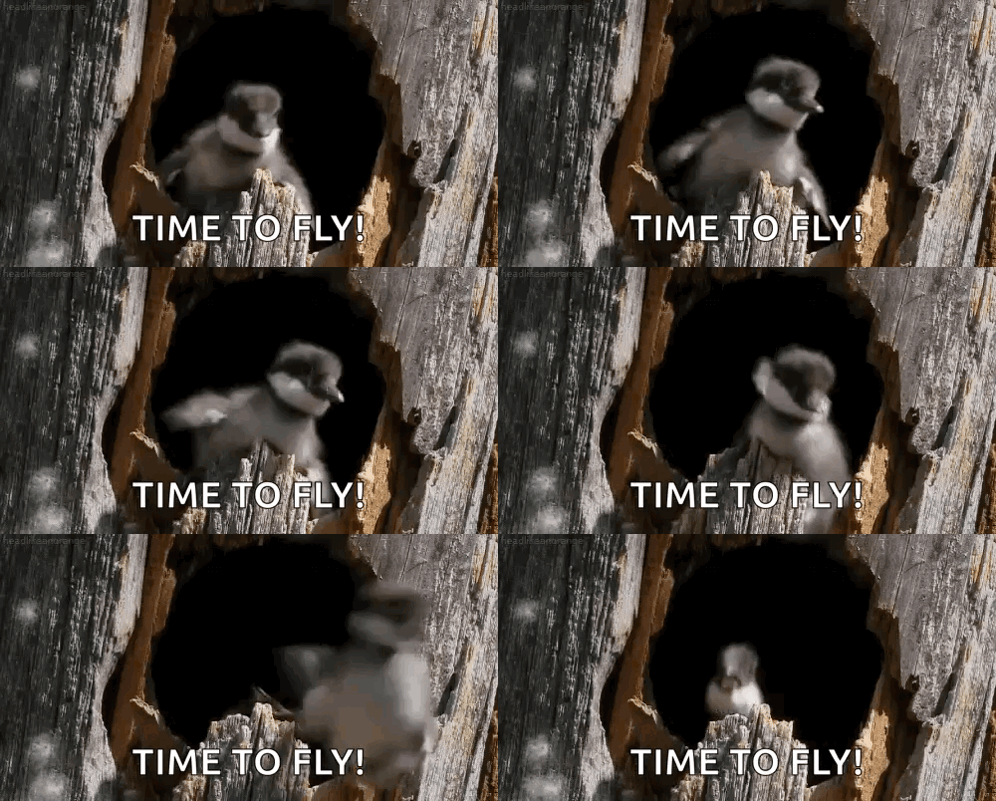
But is it sky… or harmful, deadly glass?
Right from the start, The Most High is clear about His Ways and His Thoughts…
My ways are higher than your ways.
“‘For My thoughts are not your thoughts, Nor are your ways My ways,’ says the LORD (Elohim). ‘For as the heavens are higher than the earth, So are My ways higher than your ways, And My thoughts than your thoughts.”
Isaiah 55:8-9
What do we do about that?
Do we agree with it?
What do we think about His thoughts, versus our thoughts?
What could possibly be so bad about our thoughts anyway?
Well, here’s a Whitman’s Sampler.
Enjoy… and cringe.
Our thoughts?
Prideful…
Lustful…
Greedy…
Immature…
Cruel..
Petty…
Raging..
Impatient…
And Thought-LESS…
“The fear of the Lord (Elohim) is the beginning of knowledge; fools despise wisdom and instruction.”
Proverbs 1:7
Yeah.

Do we accept the wisdom that, maybe, the supposedly- similar-looking sky is NOT sky?
Do we acknowledge Him, in each way, sky opportunities, included?
“Trust in the LORD (Elohim) with all your heart. And do not lean on your own understanding.
In all your ways acknowledge Him, And He shall direct your paths.”
Proverbs 3:5-6
Come on. You and I know the answer, all too often, to that question.
More like THIS instead.
We fly. We don’t consider things, pause, or slow down.
“The simple believes everything, but the prudent gives thought to his steps.”
Proverbs 14:15
Yep.
We double down on our plans. We believe that what we see is sky.
We want it to be sky. We are determined that it will BE sky.
And we, fly, fly, fly!
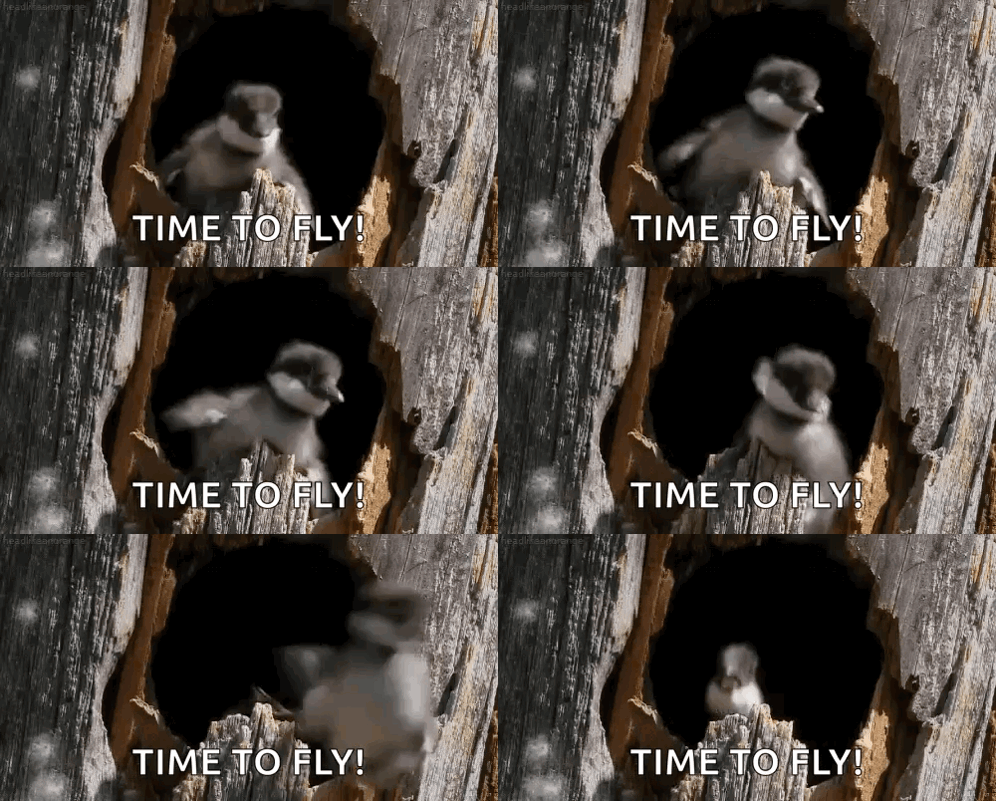
“One who is wise is cautious and turns away from evil, but a fool is reckless and careless.”
Proverbs 14:16
Maybe we even rationalize, “It’s close enough (to sky)- good enough!”
Great life strategy there, huh?
I know that I have strategized this approach a lot of times in my life.
“Like a dog that returns to his vomit is a fool who repeats his folly.”
Proverbs 26:11
Yay.
Again, more fool folly fun.
Repeating folly.
Let’s say “yay” again.
Only now, we are in the clouds, in the name of flying in the sky of our dreams?
Great.
So…
We fly smack into the glass.
“A fool's lips walk into a fight, and his mouth invites a beating.”
Proverbs 18:6
Or, in keeping with the bird theme here, our wings fly into a fight, hit the glass, and take that beating.
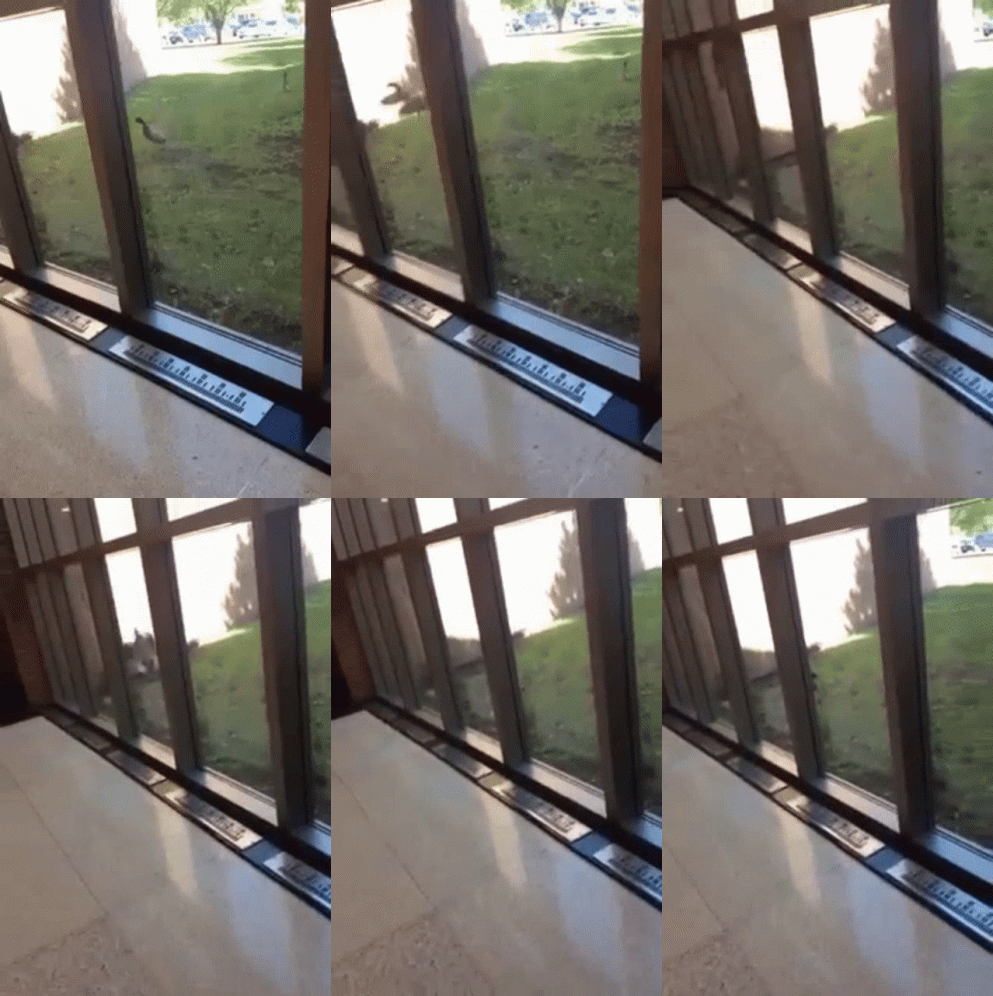
And then what happens?
Death happens.
“There is a way that seems right to a man. But its end is the way of death.”
Proverbs 14:12
Ah.
How many ways can we experience death?
Oh, let’s count some ways.
Death of relationships…
Death of marriages…
Death of careers…
Death of integrity/reputation…
Death of health…
Death of peace…
That’s a lot of death, isn’t it?
You and I have made those decisions that kept us flying into the harmful glass.
We kept insisting, kept trying, kept hoping that the glass was sky.
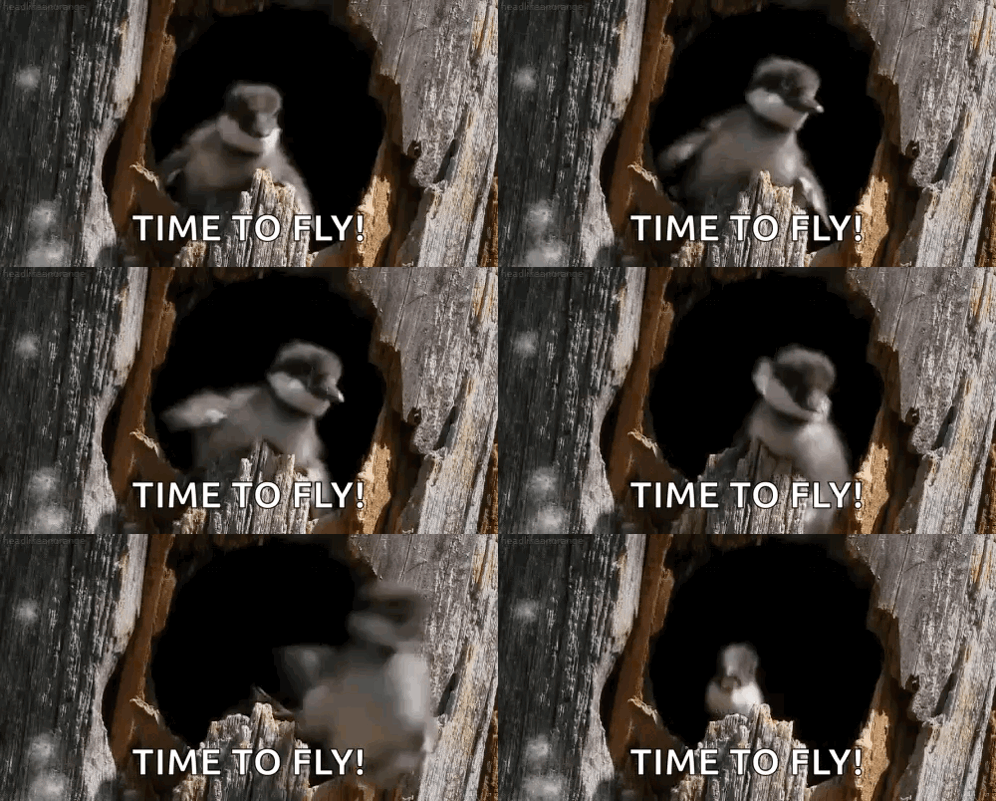
Perhaps, yes, we are even doing it right now.
Spiritual Bird- Safe Glass
“And everyone who hears these words of mine and does not do them will be like a foolish man who built his house on the sand.”
Matthew 7:26
I know I am not immune from being foolish and from making mistakes.
Therefore…
These Words of Mine?
His Word, Scripture. Divine Guidance.
“I will instruct you and teach you in the way you should go; I will guide you with My eye.”
Psalm 32:8
“Trust in the LORD (Elohim) with all your heart. And do not lean on your own understanding.
In all your ways acknowledge Him, And He shall direct your paths.”
Proverbs 3:5-6
They exist for us. To help, lead, and protect us… from crashing.
And we all need help from crashing.

Prayer is also a part of that “bird-safe glass.”
So, let’s pray.
I know I could sure use some prayer about my plans, foolishness, folly, and crashing to my death.
How about you?
ABBA FATHER-
We come to You, In Yahshua’s Name; we pray.
You know what ideas we are grappling with.
You know how much something means to us. You know if we are hasty, foolish, impatient, arrogant, and desperate.
Forgive us for moving ahead with our plans before waiting on and consulting you.
You know what this means to us.
Desires. Dreams. Plans.
You know all of them.
Please help us. Guide us.
Protect us from moving forward with our dangerous, harmful, and unwise plans.
Guide us and lead us on the paths of blessings that You have for us.
Thank You for helping us.
In Yahshua’s Name we pray,
Amen.
Copyright © 2025 by Sheryle Cruse
Going Through Hell?
I love Winston Churchill’s sentiment:
“If you’re going through hell, keep going.”

Life is tough.
Sooner or later, we’ll experience a trying situation which feels like hell. It isn’t actual hell, thank The Most High. Nevertheless, the power of that notorious situation/trauma makes us feel tortured with pain, despair and hopeless evidence. Eating disorders, addictions, compulsions, loss and grief are just a few examples of things which can feel like hell, if, indeed, torture is its calling card.
It’s painful and almost impossible to see future, life, possibility or The Almighty. We can, instead, much more easily see ourselves as failures, weak, forgotten and ruined. It’s, therefore, inevitable we come to a screeching halt; we stop in the mire and can only feel ourselves sinking…down to where? Greater depths of hell and torture?
But that’s not Elohim’s truth about us. Even in the middle of hopelessness, The Most High is there…living…loving…working…
“And we know that all things work together for good to them that love (The Most High) God, to them who are the called according to his purpose.”
Romans 8:28
“Behold, I am the Lord (Elohim), the (The Most High) God of all flesh. Is there anything too hard for Me?”
Jeremiah 32:27
It can be tempting to believe that in our self-defined hells, we’re going it alone. But we’re not. Psalm 23 reassures us of that truth…
“Yea, though I walk through the valley of the shadow of death, I will fear no evil: for thou art with me…”
Psalm 23:4
And as we ‘keep going,” transformation, bit by bit, occurs…
“But we all, with unveiled face, beholding as in a mirror the glory of the Lord (Elohim), are being transformed into the same image from glory to glory, just as by the Spirit of the Lord (Elohim).”
2 Corinthians 3:18
And “keep going” doesn’t necessarily mean a dramatic, larger than life display. It can be the tiniest effort, decision or prayer. It just needs to exist. Our Divine Creator requires only a mustard seed of faith, not a mountain.
I believe we underestimate both The Most High and ourselves. We can be one thought, word or deed away from breakthrough; we never know. But HE does. And even when we fall short, HE has decided and created the contingency plan for us. Yahshua.
“…being confident of this very thing, that He who has begun a good work in you will complete it until the day of (Yahshua Ha-Mashiach) Jesus Christ.”
Philippians 1:6
Are we confident in that Truth? Are we confident in The Great I Am’s involvement as we go through our different kinds of hell? Do we “keep going,” armed with trust in Him, leading, guiding, helping and transforming our lives, even in the appearance of wreckage? We all need help in this area of the faith department.
We’re all in process. That applies to the “going through hell” process.
Are you experiencing some kind of hell right now? Are you stopping in it or moving through it? Regardless, He is too good of a Creator and Father to leave you in that spot; you WILL get through this, whatever “this” may be. Trust Him.
“Trust in the Lord (Elohim) with all your heart; and lean not on your own understanding. In all your ways acknowledge Him, and He shall direct your paths.”
Proverbs 3:5-6
He has much more for you and me!
“For I know the thoughts that I think toward you, says the Lord (Elohim), thoughts of peace and not of evil, to give you a future and a hope.”
Jeremiah 29:11
Keep going!

Copyright © 2025 by Sheryle Cruse
How To Put a Bra On
“I will praise You, for I am fearfully and wonderfully made…”
—Psalm 139:14
After my 2017 Breast cancer diagnosis, as I recovered from my bilateral mastectomy, I hadn’t counted on this particular problem. Putting a bra on.

I was once a large- busted woman, in double D territory. And, granted, I’ve never had a well-fitted bra, pre-mastectomy. In the past, whenever I tried to cope with an ill-fitting double D, the issue was more about finding non-ugly bras than finding ones that were large enough to house my bustline. When I finally managed to find one or two that didn’t make me cringe, I’d put them on over my head or step into them. Presto! I was in my bra.
Once I recovered from my breast surgery and radiation, however, the landscape changed. I was fitted, correctly so, with mastectomy bras. The firsts of their kind included one white garment, one black, both with cute little rosettes on them, for added sassiness. I was able to insert my chosen B cup breast forms into them. It was dramatic. I was no longer “top heavy,” as I had been most of my life.
And then, things really looked promising: “Coobie” bras. These “comfort bras” had a built-in shape already to them; there was no need, then, for my breast forms. My husband actually bought these two for me, selected from the wider range of colors offered. One of them was even purple. Purple! Finally, some actual color in my life!
So, here I was, with an exciting reality of pretty and colorful bras, set before me. I should be feeling comfortable and feminine right about now, right?
Well, not quite. And here’s where old bra-festooned me collided with new, post- mastectomy, bra-festooned me. The former me was able to put my ill-fitting bras over my head or step into them, spinning the already- fastened garment around my midriff and slipping the straps over my shoulders. Because my pre-surgery bras were, indeed, larger and ill-fitting, there was enough room for these maneuvers.
But now, with these well-fitted bras, there was just room for, well, me.
I tried slipping them over my head. Nope, too restricted, not enough room. I tried stepping into them, hoping to do the midriff slide. No such luck there, either. I wound up ensnaring my legs with the bra halfway up my thighs; it was a wonder I didn’t trip myself, bonking my head on the corner of my dresser.
So, unless I wanted to learn the trade secrets of a Cirque du Soleil acrobat, I needed another plan.
The only way seemed to be the good old- fashioned way. I had to put them on, leading with my torso, slipping the straps up my arms and over my shoulders and fastening them by their hooks in the back. I tried a number of times; it wasn’t happening. The amount of fabric housing the two clasp options on these newer bras was only an inch. With my larger, pre-mastectomy options, I was accustomed to a three-to-four- inch swatch of material, accommodating at least four different clasps. I was stranded, fidgeting, attempting to get hooked already.
I finally had to resort to yelling for my husband, “Honey, please help me?”
With the more relaxed, Coobie bras, there was no such hook. These were strictly over the head bras. But, because they were a second skin fit, wriggling into these bras overhead was a greater challenge than I was used to experiencing.
Fitting 911:
I couldn’t go on like this, contorting myself into a pretzel, just trying to get into my lingerie. And, unless my husband wanted to be on constant standby, I needed to figure out how to put my bra on all by myself.
Therefore, I called my Breast cancer supply store. This shop is a sorority of women having gone through their own Breast cancer experiences. They “get it.”
I asked about another fitting for my second pair (out of six) of mastectomy bras, allotted per year, via my insurance plan. I explained my predicament, asking for any front closure bras and strategies to help me get dressed. I was told there was one bra which had a front closure feature; we could order it in a 38 A, to compensate for the adjustments during my next bra fitting.
So, I showed up. I was met by the lovely Gail, who worked with me in an earlier session.
Brands of Bras:
Gail laid out my black 38 A bra, from the ABC brand of bras. This piqued my curiosity. I asked about the major brands available. Here are some offerings you should be able to go into any Breast cancer supply store and ask for by name.
Besides ABC, responsible for my front closure bra, there is Amoena (pronounced Ah-Mona, but looks like it’d be pronounced Amoeba). My first 36 B black and white rosette bras were from this company. You can also ask for my beloved Coobie brand “comfort bras” and Luisa Luisa, which provided the recovery garments I was given for my bandaged, post-surgery and pesky drain needs.
As I was fitted with my ABC black, front-closure bra, something immediately caught my attention. This bra had clasps in both the front and the back. Where had these wonderful creatures been all my life?
I’d never encountered this option with bras before my breast surgery. Gail told me she believed only mastectomy bras had this feature. The design and patent MUST have come from a woman.
The 38 A strategy worked great with my 36 B breast forms. I fastened the six front closure hooks and voilà! I was in my bra.
Strategies:
I also asked for additional strategies. Gail suggested the tactic of putting on the bra first, gathered around the midriff, while inserting the forms into the bra pockets, instead of fitting the forms in first before dressing.
I tried that maneuver with both my rosette Amoenas and my front-clasp ABC option. Not surprisingly, theses bras proved more of a contortionist challenge.
Again, with the close fit, there simply wasn’t as much room for sliding and shimmying. Trying to get my forms in still felt difficult. My wrists can only bend so far.
With my front-clasp ABC, I had better results. It’s difficult to say how much of that success was attributed to the midriff/breast form approach while on my body or how much of the ease was directly related to the fact that the bra was a 38, not a 36.
And that leads me to my next strategy. Go for getting a larger size if you need to do so. In my situation, the original measurements of my first bras simply added 4 ½ inches for the larger bras. It can feel a bit like a bad Algebra class, trying to size this math accurately. How a 38 A emanates from a 36 B, I’m not exactly sure. Which is why a professional fitting is a must. They know how to make the math happen.
“Without counsel, plans go awry. But in the multitude of counselors, they are established.”
Proverbs 15:22
No “Perfect Fit:”
I’m learning, overall, this entire mastectomy bra thing is trial and error. There is no perfect bra, Cinderella. You can try certain brands and maneuvers, but, as with our new bodies, it’s about adjustment, not perfection.
But hopefully, in these imperfect life changes, you and I can, at least, somehow, someway, put a bra on.
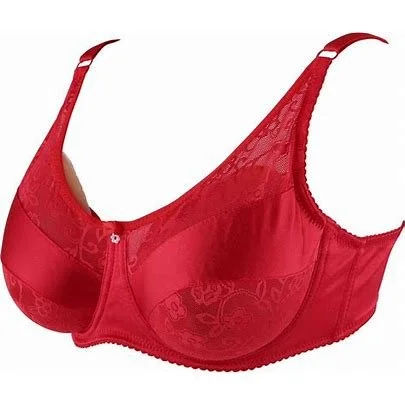
May you, in you own adventures, indeed, NOT BE, fit to be tied in the process!
Copyright © 2025 by Sheryle Cruse
The Power Of Critique:Turtle Versus Cat
https://youtu.be/KG4b_exkugY?si=tgKQ7_u_rmXAAF1-