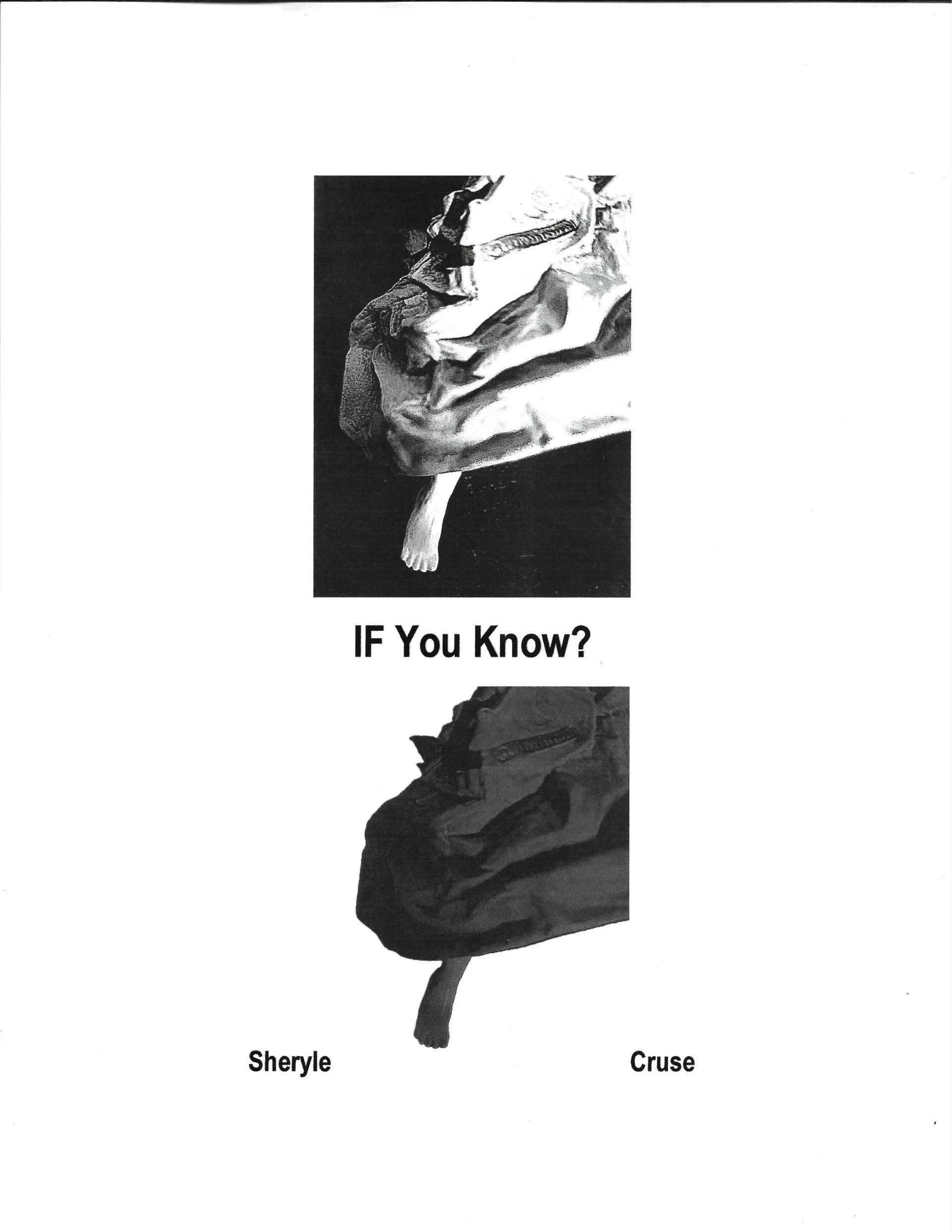
Childhood Tells? (“IF You Know?”)


“For there is nothing covered, that shall not be revealed; neither hid, that shall not be known.”

Luke 12:2

What DOESN’T add up from childhood?

Toxic secrecy and shame are nothing new; neither are the “childhood tell” memories and experience we may come across. These are things that, somehow, betray “the truth” of what we were told?

What was that?

How many “childhood tells” did we experience?

They eventually “tell,” don’t they?

(“IF You Know?” Book Excerpt):

…Grandma: A Powerful Second, Third. and Fourth Witness?

Here was where childhood experiences potentially positioned themselves to be “tells,” witnessing there possibly was credence to something more significant as… truth?

A lot of the volatile, intense reactions centered on my grandmother’s behavior. She had nervous energy already; and was abused by my grandfather. That can account for some of her intense reactions.

But not all.

Again: context, concerning the “white” subject matter.

“…In the mouth of two or three witnesses shall every word be established.”

2 Corinthians 13:1

The Second Witness: Grandma’s Bad Language?

Most of us associate “Grandmother” with loving, sweet, harmless definitions. A little old lady who bakes cookies, knits sweaters, and only says the kindest terms of endearment.

The term of endearment Grandma used most with me was “Dearie.”

Which made, therefore, what she also said even more jarring.

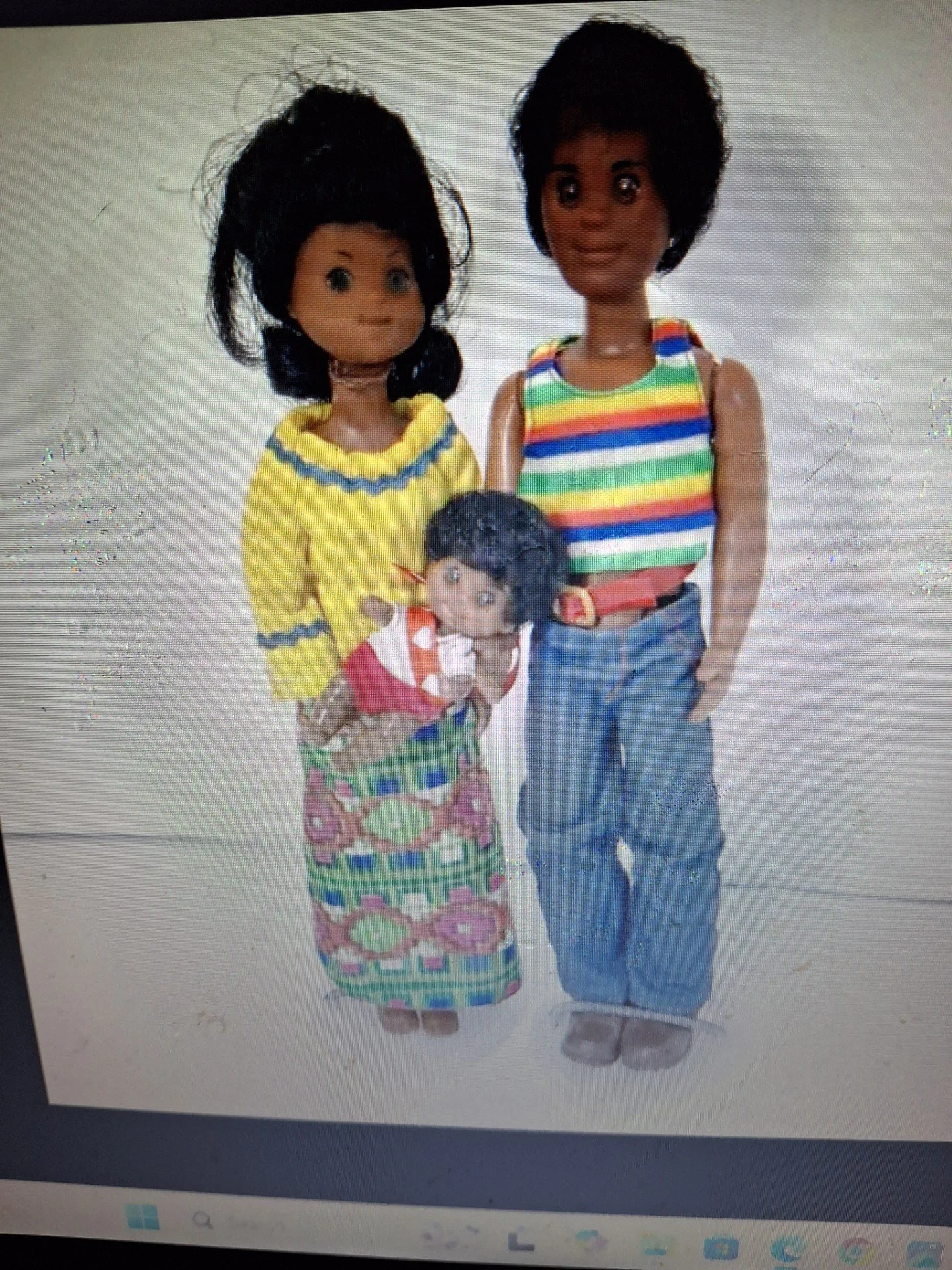
It was around the same time as I received my “Happy Family” dolls.


I don’t know if it was before or after that Christmas. But I think I was around five or six years old.

I was at my grandparents’ place, with my parents. Grandma was in the kitchen. I believe she was making donuts. There was conversation amongst the grownups. I don’t know what, exactly, they were talking about.

But suddenly, Grandma blurted a racial slur.

Not a term of endearment.

It startled me.

My family, including my grandmother, had never had any discussions with me about the “N- word,” or any other “slurs.”

There were no conversations about race whatsoever.

Again, I suppose, residing in my small “white” town, the argument could be made, why would there ever need to be such a discussion?

Still, as that child, I was disturbed by what Grandma said.

I knew it was wrong.

Beyond saying “a bad word,” there was this malevolence with which she said it.

It was hateful. Menacing. It carried disgust and disdain. She was angry and repulsed when she blurted out the word.

She was not the sweet, kind old lady who baked cookies.

She was “mean.”

That rocked me.

Grandma, my grandmother, was “mean?”

Why was she mean?

From that point on, I never viewed her the same way.

Newer distrust and fear of her resided now.

If Grandma was mean here, by what she said, how else could she be mean?

Would she ever turn on me?

Indeed, just what was behind that venom?...
Previous
Previous

The One (“The Name Devotional: Volume 2”)

Next
Next

Supporting a Survivor of Intimate Partner Sexual Violence (RAINN Advice For Those Affected)